Featured
How to Choose the Right Drywall Anchors for Shelves
Learn how to choose the right drywall anchors for shelves: weigh your load, find studs, and pick toggle bolts vs. plastic anchors with confidence.
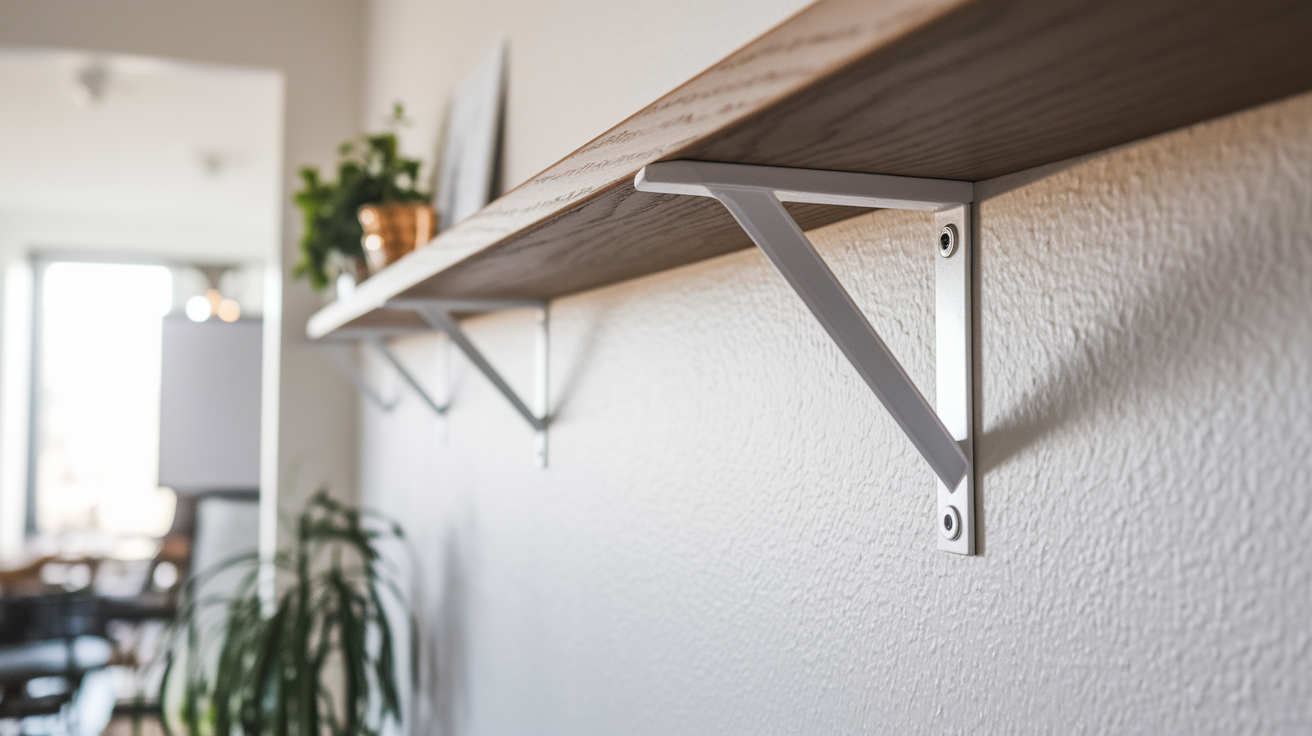
Think all drywall anchors are the same?
They’re not, and the wrong one can send your shelf crashing and your favorite mug tumbling.
This guide shows exactly how to pick the right anchor for shelves, add up the total loaded weight (shelf, brackets, and stuff), check for a stud, and match that number to anchors like plastic expansion sleeves, molly bolts, toggle bolts, or self-drilling threaded anchors.
You’ll learn quick checks, common mistakes to avoid, and when to fasten to a stud or call a pro.
Quick Answer: A Shelf Anchor Decision Chart
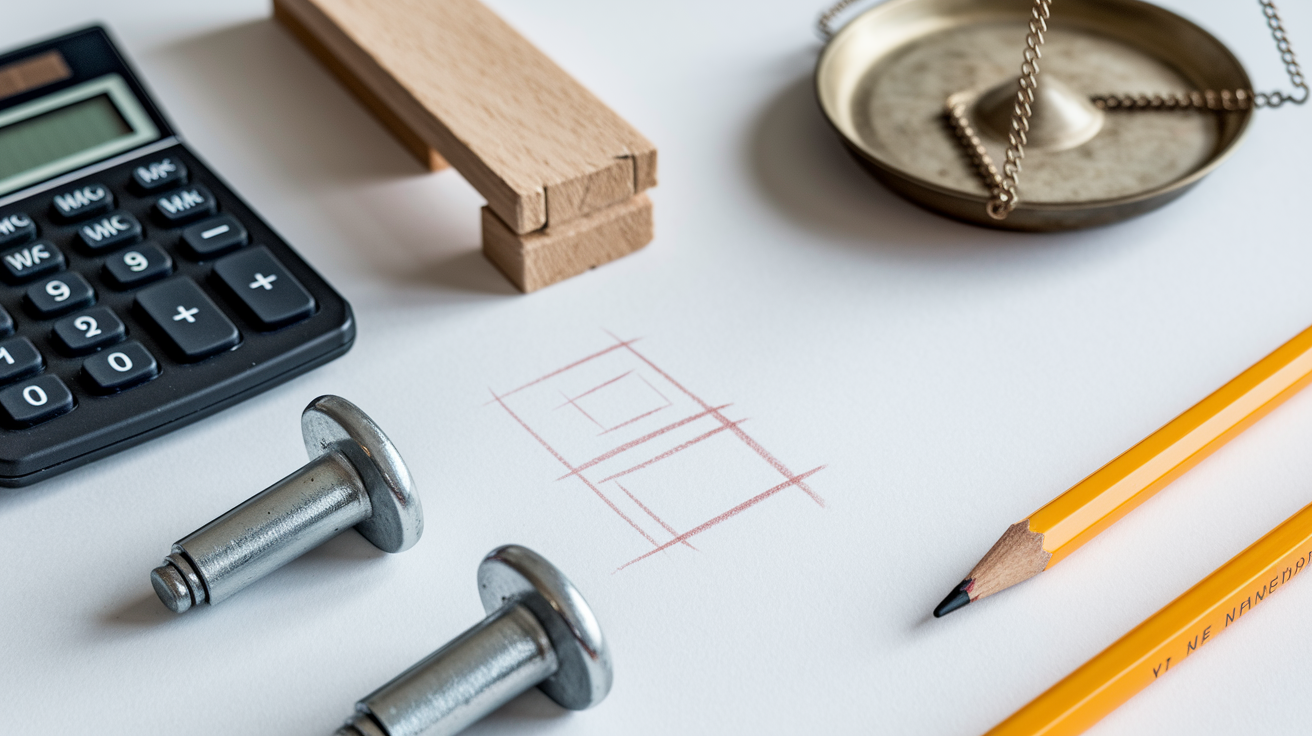
Before you pick up a single anchor, add up the total weight your shelf will actually carry. That means the shelf itself, the brackets, and whatever you plan to put on it, books, plants, a stack of towels, all of it. Don’t just guess at the heaviest it’ll ever get. Round up.
Here’s a quick example. Say you’ve got a 12 lb shelf, 8 lbs of brackets, and you’re planning to load it with about 40 lbs of books. That’s 60 lbs total. Now add a safety margin of 25 percent on top of that, because loads shift, bracket leverage adds stress, and wall conditions aren’t always perfect. That brings your real design target to about 75 lbs. That’s the number you shop for, not the 60.
| Total Loaded Shelf Weight | Stud Availability | Wall Type Check | Typical Fastening Route | Safety Check |
|---|---|---|---|---|
| 5–20 lbs | No usable stud | Confirm hollow drywall and compatible thickness | Plastic expansion anchor where expressly rated for shelving | Select a product whose stated rating exceeds the calculated design load |
| 25–50 lbs | No usable stud | Confirm hollow drywall and compatible thickness | Molly bolt or another manufacturer-approved hollow-wall anchor | Include a safety margin and account for bracket leverage |
| 75–110 lbs | No usable stud | Verify sound drywall, thickness, and product approval | Toggle bolt or suitable self-drilling anchor where its instructions permit | Do not assume multiple anchors provide perfectly additive capacity |
| Very heavy, high-leverage, or uncertain load | Stud available or structural mounting can be added | Identify wood studs, metal framing, masonry, or another substrate | Fasten brackets to suitable structural support | Follow shelf, bracket, fastener, and wall-system requirements |
Those weight ranges you see tossed around, 25 to 50 lbs for molly bolts, up to 100 lbs for toggle bolts, give or take, are starting points, not promises. The package in your hand is the real authority here. It’ll list the maximum load, the drywall thickness it’s built for, and the exact drill bit size to use. And here’s the thing a lot of people get wrong: a single anchor’s rating only gets multiplied by how many anchors you use if the manufacturer flat out says you can do that math. Otherwise, assume the load won’t spread evenly, because bracket leverage and installation quality can quietly eat into your margin.
Types Of Drywall Anchors Explained For Shelving Projects
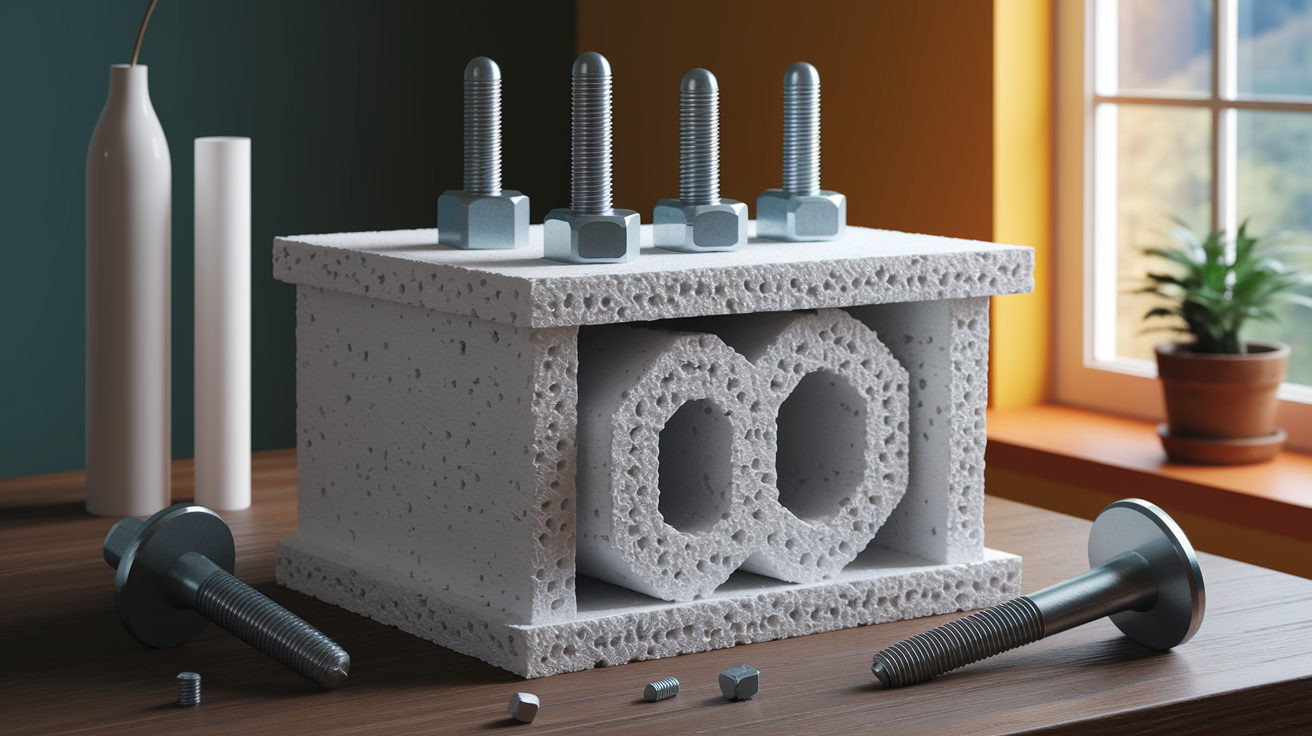
If you already worked through the decision chart above and landed on a weight range, great. This section fills in the “how it actually works” part so you’re not installing something blind. We won’t repeat the load numbers here. Instead, let’s talk mechanics, installation quirks, and the ways each type tends to fail when something goes wrong.
Plastic Expansion Anchors
These are the little ribbed sleeves you’ve probably seen in a hardware store bin. You drill a pilot hole, tap the sleeve in, then drive a screw into the center. As the screw goes in, it forces the sleeve to expand outward, gripping the inside of the drywall.
The catch is that the pilot hole size really matters here. Too small and the sleeve won’t seat right. Too large, or drilled into brittle, damaged drywall, and the sleeve just spins or crumbles the hole edges instead of gripping. Removal usually leaves a small, patchable hole, which is nice, but common failures include the anchor spinning in place, loosening over time, or pulling straight through weakened gypsum.
Molly Bolts
A molly bolt works by deforming a metal sleeve against the backside of the wall, basically clamping itself in place like a tiny fist closing behind the drywall. For that to work right, you need drywall thickness that falls within the range printed on the package. Go outside that range and the sleeve won’t flare correctly.
One nice feature, once the body is set, you can usually remove the screw and put it back in later without losing the anchor’s grip. Just don’t overtighten during install. Cranking down too hard can crush the gypsum around the hole, which weakens your hold before you’ve even hung anything.
Toggle Bolts
Toggle bolts use spring loaded wings that fold flat to pass through the wall, then pop open once they’re behind the drywall. This means you need a bigger installation hole than you might expect, plus enough empty cavity space behind the wall for those wings to fully open.
Here’s a quirk worth knowing. If you fully remove the screw from a traditional toggle, the wings drop inside the wall cavity and you’ve lost them for good, you’ll need a fresh one. Failures here usually come from the wings not deploying completely, not enough clearance near the hole’s edge, or the toggle eventually pulling through drywall that’s already weakened.
Self Drilling Threaded Anchors
These have coarse threads and a sharp cutting tip, so in many cases you can skip the pilot hole and drive the anchor straight in with a screwdriver. Some products still call for predrilling though, so check the instructions rather than assuming.
Overtightening is the main risk. It can strip out the surrounding gypsum fast. They’re also a poor choice near damaged drywall or close to panel edges, and plenty of self drilling anchors aren’t approved for ceiling use at all. Removal
Final Words
Add up the shelf, brackets, and the heaviest items you plan to store, then add a 25% safety margin. Use the quick-decision chart to match that design load with a fastening route.
Remember how each anchor works, what wall thickness it needs, and when a stud or masonry fastening is the right call. Confirm package ratings and whether the manufacturer lets you combine anchor capacities.
If you follow these checks, you’ll know how to choose the right drywall anchors for shelves and get a secure, neat result you can trust.
FAQ
Q: How to know what size wall anchor to use?
A: The wall anchor size to use depends on the total loaded shelf weight, wall thickness, and the anchor’s grip range; choose an anchor whose stated capacity exceeds your calculated design load.
Q: Can I hang a shelf on drywall?
A: You can hang a shelf on drywall if you fasten into studs or use hollow-wall anchors rated for the shelf’s design load and your drywall thickness; otherwise mount the brackets to studs or add backing.
Q: How do I make a DIY drywall anchor?
A: You shouldn’t make a DIY drywall anchor; use a tested manufactured anchor instead. For very light items, use a rated picture hook or adhesive hanger and follow package weight limits.
Q: What screws should I use to mount a floating shelf?
A: The screws to mount a floating shelf should match the bracket hole size and be long enough to reach a stud or fully engage the anchor; commonly #8 or #10 wood screws into studs.
More from Politics
 Featured
How to Reset a GFCI Outlet Safely at Home
 DIY Repairs
How to Replace a Leaky Bathroom Faucet Cartridge Easily
 Home Maintenance
How to Adjust Door Hinges to Fix a Sagging Door
 Tools Materials