Home Maintenance
How to Fix a Sticking Interior Door for Good
Find out how to fix a sticking interior door in minutes: a quick test spots the real cause before you sand, plane, or swap a hinge.
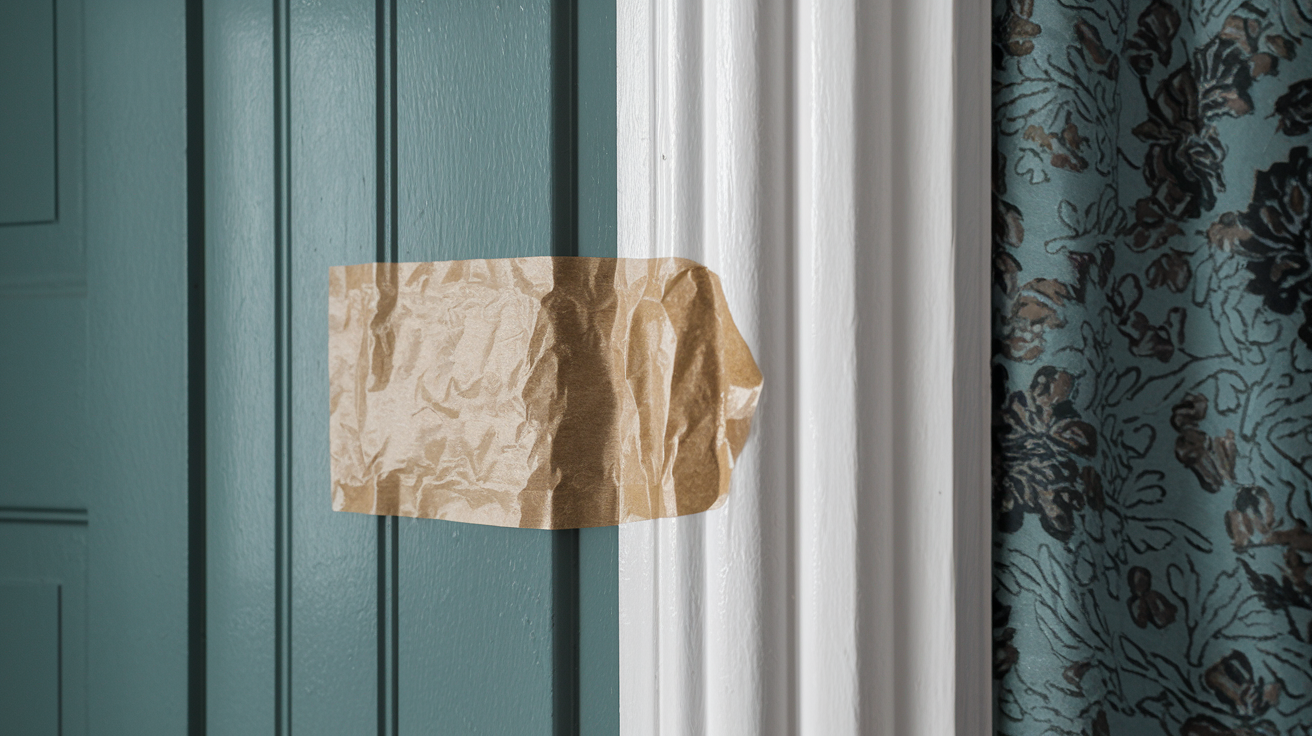
Don’t plane the door first.
Most people grab a sander and make the problem worse.
Before you cut anything, find exactly where the door rubs the jamb.
In this post you’ll get a five- to ten-minute diagnosis that points to the right fix.
Tighten or replace a loose hinge screw, adjust the strike plate, or sand one spot.
I’ll show simple checks, the exact tools to grab, and quick fixes that usually take 15 to 60 minutes.
By the end you’ll have a smooth-closing door without unnecessary work.
Rapid Door Diagnosis And First Fix
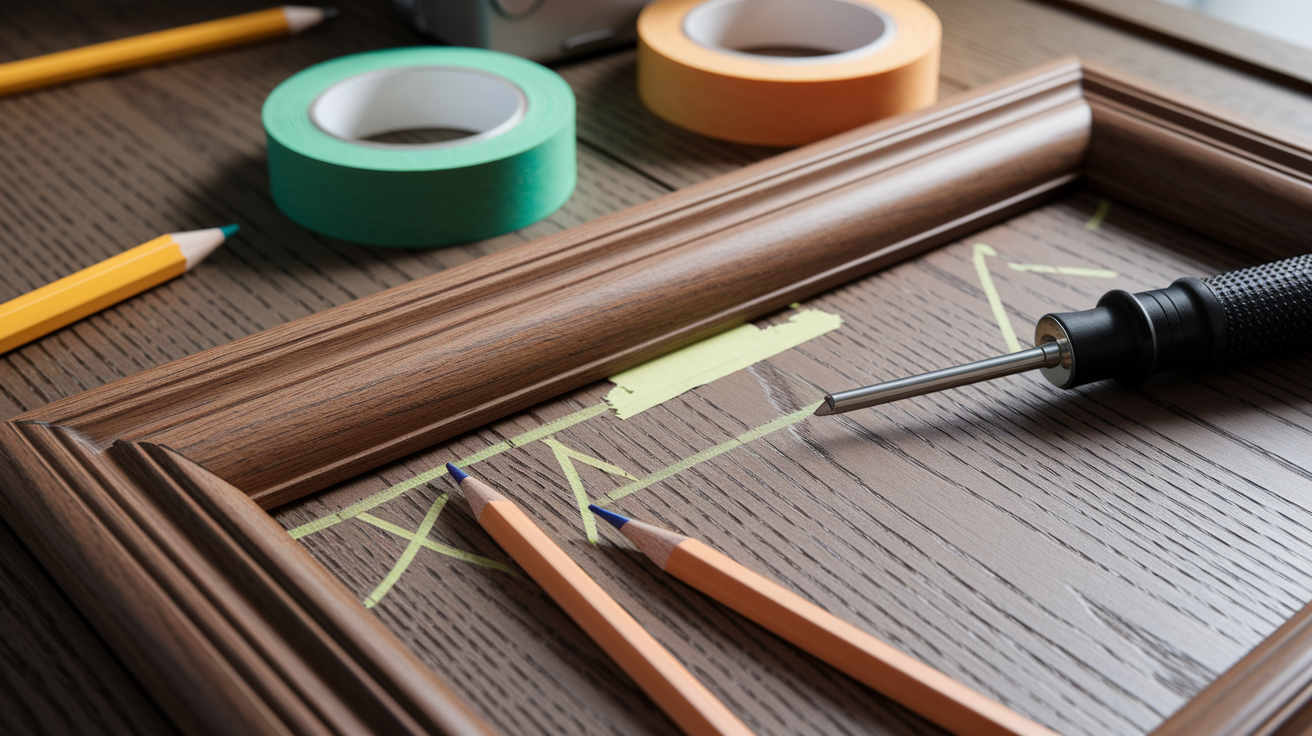
Before you grab a plane, a sander, or even a screwdriver, figure out exactly where the door touches the frame. That one step saves you from removing wood you didn’t need to remove, which is the single most common mistake people make with a sticking door. Once you know the contact point, the fix usually reveals itself.
Here’s a quick diagnostic sequence. Takes about 5 to 10 minutes.
- Close the door slowly and note where resistance begins.
- Mark the rubbing point with a pencil, chalk, or masking tape.
- Hold the door partly open and check whether the hinge screws, leaves, or barrels move.
- Watch where the latch meets the strike plate as the door closes.
- Inspect the side and top gaps, using 1/8 inch as the target clearance.
Once you’ve got that information, match it to the right next move.
- If hinge screws or leaves move, tighten the loose screws first and retest the door.
- If the latch misses or rubs against the strike plate, adjust the strike plate.
- If swelling or paint buildup creates a clearly marked contact point, sand or plane only that area.
- If several doors or windows bind, or the gaps look significantly uneven, stop altering the door and investigate possible structural movement.
Grab these before you start poking around:
- Flashlight
- Pencil or masking tape
- Phillips screwdriver
- Straightedge
- Sandpaper
- Drill/driver
Honestly, most sticking doors get fixed with the first two items on this list plus a screwdriver. Screw and strike adjustments are beginner level tasks, usually 15 to 30 minutes start to finish. Localized sanding runs 30 to 60 minutes. Planing is a step up in difficulty and can take 1 to 3 hours once you factor in removing the door, working in small passes, and rehanging it. Wear eye protection any time you’re drilling, sanding, or planing. Keep your fingers clear of hinge pins and plane blades, and if you’re taking the door down for planing, set it on a stable, padded surface rather than balancing it against a wall.
How To Confirm The Cause

Resistance tells you something’s wrong. It doesn’t tell you why. The timing of when the door sticks, where exactly it touches, and whether other doors in the house are acting up too, gives you much stronger evidence than just feeling where it rubs.
Look for these patterns before you decide on a repair:
- Binding that shows up mainly during humid seasons, particularly along a broad edge, suggests moisture related wood expansion.
- Paint transfer, scuffing, or a polished contact patch identifies the exact spot where paint or wood meets the frame.
- Uneven gaps around the perimeter can tell apart a sagging door from a warped slab or a shifted jamb.
- Hinge leaves that move, worn barrels, loose pins, or a door that lifts noticeably at the handle all point to hinge wear or movement.
- Several sticking doors or binding windows, especially alongside wall cracks or sloping floors, point toward broader structural movement.
A single, consistent contact mark in one spot usually means you’re dealing with an isolated door issue. Something you can fix with a screwdriver, sandpaper, or a strike plate adjustment. But if the gaps around the door seem to be changing over time, or you notice more than one door or window acting up at once, that’s a different story. That pattern deserves a closer look at the frame and the structure around it before you reach for sandpaper.
Tighten Or Replace Loose Hinge Screws
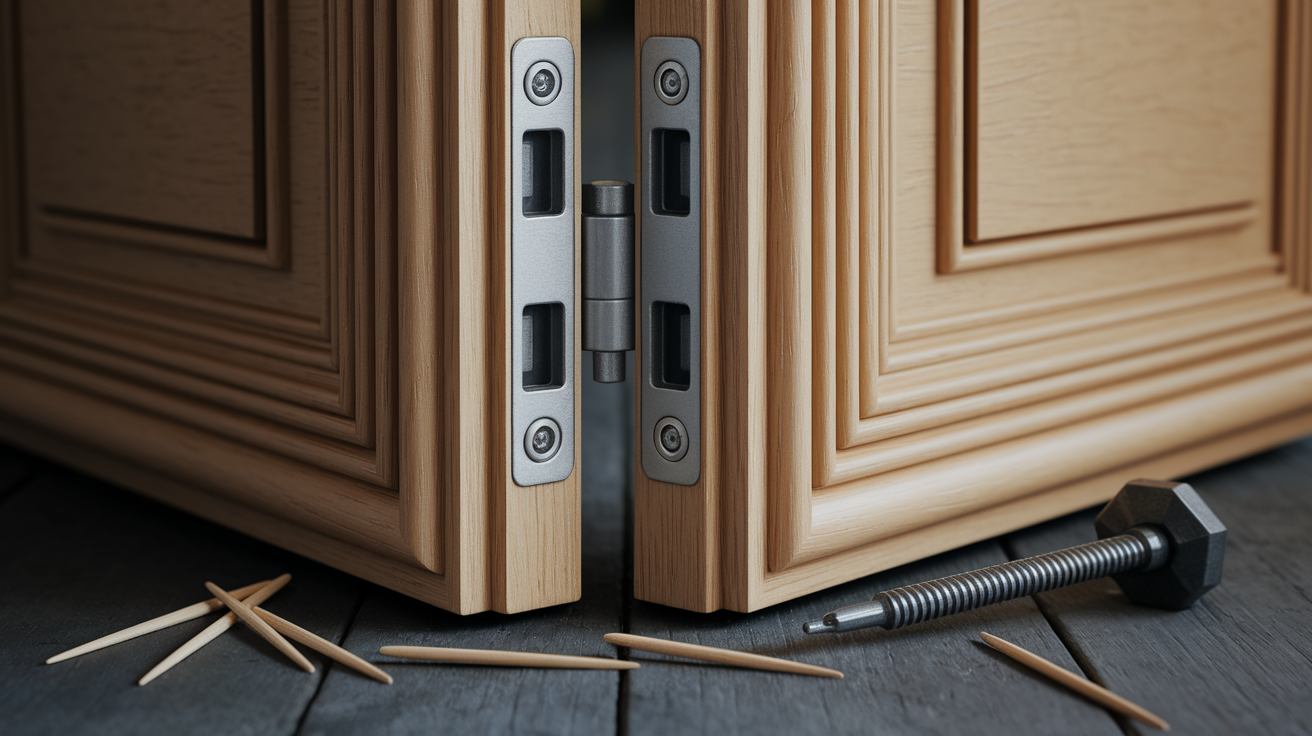
When hinge screws work loose, the door drops slightly on that side. Even a small drop is enough to make the door rub along the top corner or drag at the bottom edge, because the whole slab shifts within the frame. This is also the quickest thing to check, so it’s worth ruling out first.
Work through each hinge like this:
- Open and support the door, then inspect the screws and movement at each hinge.
- Tighten loose screws with a Phillips screwdriver, avoiding excessive force that could strip the holes.
- Remove any screw that spins without tightening.
- Pack a stripped hole with a glue coated toothpick or wood splinter, let it dry, and reinstall the screw.
- Where you need extra support, swap in a 2½ to 3 inch screw at the top hinge, one long enough to reach the framing.
That longer screw matters more than it looks like it should. A standard short screw only grabs the jamb, but a 2½ to 3 inch screw reaches past it into the wall framing, which pulls the whole hinge side tight and stops future sagging. Test the door after each hinge, not just at the end. If a barrel feels loose, a leaf is bent, or the pin wiggles more than it should, that hinge is probably due for replacement rather than another round of tightening.
Adjust Or Reposition The Strike Plate So The Latch Catches

Sometimes the door closes just fine but the latch won’t catch, or it clicks shut only if you lift the handle a certain way. That’s usually not a door problem at all. It’s a strike plate problem, and it’s one of the easier fixes on this list once you know exactly where the latch is landing.
Here’s how to track it down and correct it:
- Apply lipstick to the latch and cover the strike plate with masking tape.
- Close the door gently, reopen it, and inspect the transferred contact mark.
- Loosen the strike plate and shift it toward the required position when the existing holes allow minor adjustment.
- For a larger correction, remove the plate, fill the old screw holes, let the filler dry, and drill new pilot holes in 1/8 inch increments.
- Enlarge the strike opening carefully with a metal file or rotary tool if the latch reaches the plate but catches on an edge.
- Deepen the mortise by 1/16 to 1/8 inch if the plate sticks out from the jamb, or just replace a plate that’s bent or damaged.
That lipstick mark is honestly the best two dollar diagnostic tool you’ll use on this whole project. It shows you precisely where metal meets metal, so you’re not guessing which direction to move the plate.
Final Words
Mark the rubbing spot and move into the rapid checks: close the door slowly, note resistance, test hinge movement, and watch where the latch meets the strike plate.
Tighten loose hinge screws or swap in longer screws, shift or recess the strike plate, and sand or plane only the small contact area. Use basic tools, wear eye protection, and secure or remove the door before power work. If several openings bind, stop and get a structural check.
Follow these steps and you’ll know how to fix a sticking interior door that won’t close properly — you’ll have it smooth and working again.
FAQ
Q: Why are all of my doors sticking? / Why is my door not closing easily?
A: Doors stick or won’t close easily because of humidity swelling, loose hinges, misaligned strike plates, paint buildup, or jamb/frame movement; mark the rubbing point, check hinges, and measure gaps to diagnose.
Q: How to fix hinge bind?
A: To fix hinge bind, tighten loose hinge screws, repair stripped holes with glue-coated toothpicks, and install a 2½–3-inch screw into the top hinge; replace worn hinges if the door still sagging.
Q: My door latch isn’t catching the strike plate. What can I do to fix this?
A: When the latch won’t catch the strike plate, use lipstick and tape to locate contact, then loosen and shift the plate, refill old holes before redrilling, enlarge the opening with a file, or replace the plate.
More from Politics
 Featured
How to Reset a GFCI Outlet Safely at Home
 DIY Repairs
How to Replace a Leaky Bathroom Faucet Cartridge Easily
 Home Maintenance
How to Adjust Door Hinges to Fix a Sagging Door
 Tools Materials