Featured
How to Reset a GFCI Outlet Safely at Home
Learn how to reset a GFCI outlet in 6 easy steps, plus the warning signs (burnt smell, heat, charring) that mean it's time to call a pro.

Think you can fix a dead outlet by jamming the reset button? Not always.
A GFCI is a safety outlet that shuts power off fast if something’s wrong, but a quick press isn’t always the right move.
This short guide shows a simple six-step way to reset a GFCI safely at home, what to check first (if it’s wet, hot, charred, or smells burned—stop and call an electrician), and the clear signs that mean you should stop and get a pro involved.
Safe Six-Step GFCI Reset Procedure
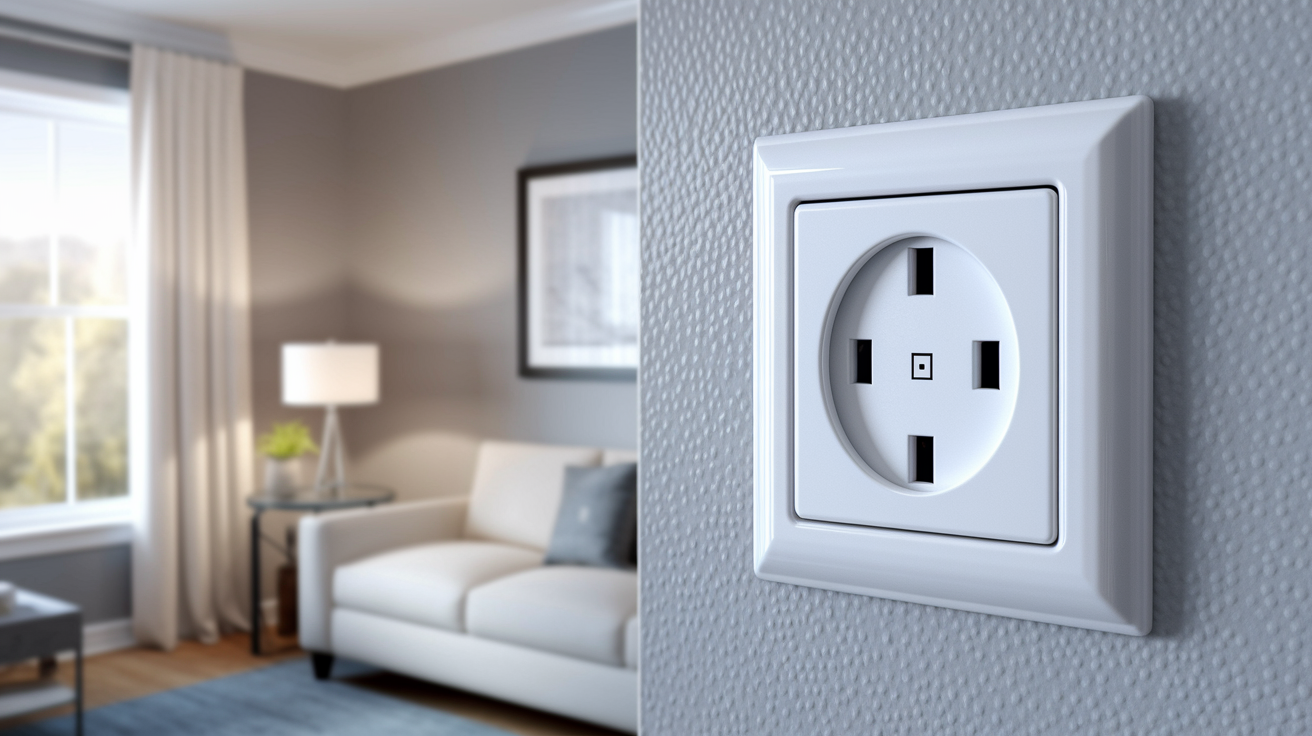
Before you touch anything, stop and check the outlet. If it’s wet, feels hot, looks cracked or scorched, sparks when you look at it, or gives off a burning smell, don’t reset it and don’t touch it at all. Shut off the circuit at your electrical panel and call an electrician. This isn’t a job to push through on your own, and no outlet is worth the risk of a shock or a fire.
Image: A typical GFCI outlet face, labeled to show the TEST button, RESET button, and indicator light.
Alt text: Close up of a GFCI outlet showing the TEST button on top, the RESET button below it, and a small indicator light that shows the device’s status.
Once you’ve confirmed the outlet is dry, cool, and free of damage, here’s how to reset it.
- Make sure your hands, any plugs, and the area around the outlet are completely dry.
- Find the rectangular RESET button. It sits between the two outlet slots.
- Press RESET firmly. You’re looking for a click or snap, not a soft mushy press.
- Let go and check that the button stays pushed in, not popped back out.
- Look at the indicator light and compare it to what your device’s label or manual says is normal.
- Plug in a lamp or radio to confirm power has actually come back.
A quick, sharp press on that RESET button almost always works better than a gentle poke. Honestly, GFCIs are built to be decisive. They can sense an imbalance as small as 4 to 6 mA and cut power in about one fortieth of a second, so the mechanism inside wants a firm, confident push to reset.
A successful reset looks like this: the button stays in, the light shows whatever the manufacturer considers normal, and your lamp or radio turns on. If the button pops right back out, or the outlet trips again the instant you plug something in, stop resetting it. Move on to the troubleshooting steps later in this article.
What a GFCI Does and How Its Controls Work
(((alt-img2)))
A GFCI, a safety outlet that shuts off power fast if something’s wrong, constantly compares the current flowing out through the hot wire to the current flowing back through the neutral wire. Those two numbers should match almost exactly. The moment they don’t, even by a tiny amount, it means some electricity is escaping somewhere it shouldn’t. Maybe through water, a person, or damaged insulation. The GFCI notices that imbalance and cuts power before it becomes dangerous.
On the face of the outlet, you’ll see three things working together. The TEST button manually creates a small fault so you can check that the device still responds correctly. The RESET button clears that fault and restores power once everything checks out. And the indicator light, which varies by manufacturer, gives you a quick visual read on whether the outlet is active, tripped, or has failed. One more thing worth knowing: a single GFCI outlet can protect several standard outlets downstream on the same circuit. So resetting one outlet might actually restore power to two or three others in the room, not just the one in front of you.
Common Reasons a GFCI Outlet Trips
(((alt-img3)))
GFCIs trip for a reason, even when that reason turns out to be harmless. Here are the five most common causes.
- Moisture or water intrusion. Steam from a shower, a splash near the kitchen sink, or just high humidity in a bathroom can be enough to trigger a trip.
- Overloaded circuit. Running a microwave, coffee maker, and blender on the same circuit at once asks a lot of the wiring, and the GFCI may trip as a precaution.
- Faulty appliance. A device with worn insulation or internal damage can leak current, which the GFCI picks up as an imbalance.
- Wiring defects. Damaged insulation, exposed conductors, loose connections, corrosion, or a line and load connection that got swapped during installation can all cause trips.
- Age and wear. Internal sensors and mechanical parts degrade over time, often starting to act up somewhere around the 10 to 15 year mark.
A trip isn’t always a five alarm problem. Sometimes it’s just steam from a hot shower hitting the outlet at the wrong moment. But it can also be a sign of an active electrical hazard, so it’s worth figuring out which one you’re dealing with before you just reset it and move on.
Troubleshooting a GFCI Outlet That Won’t Reset
(((alt-img4)))
These checks come into play only after a basic reset attempt hasn’t worked. One more reminder before you dig in: if you see water, feel heat, smell burning, or notice cracking or sparking, stop. Leave the power off and call an electrician instead of continuing to troubleshoot.
Determine Whether One Outlet or the Circuit Is Affected
Start by checking nearby outlets and light switches. Has just this one receptacle lost power, or are other outlets and fixtures dead too? This tells you whether you’re dealing with a single tripped device or something affecting a wider section of the circuit.
Next, unplug every appliance from the GFCI outlet itself and from any outlets you know it feeds downstream. Then try one reset. This step isolates whatever’s plugged in so you can see if a connected device was the problem, but it doesn’t confirm the wiring itself is safe. That part comes next.
Check the Breaker and Upstream GFCI Once
Head to your electrical panel and look for a breaker that’s sitting in the middle, not fully ON and not fully OFF. That in between position is a telltale sign of a trip. Push it all the way to OFF first, then flip it back to ON. Trying to reset it straight from the middle position often doesn’t work.
Here’s something that trips people up, no pun intended. An upstream GFCI, meaning one installed earlier in the circuit, can cut power to several downstream outlets. So if your bathroom outlet won’t reset, the actual tripped device might be in the garage or a hallway closet, feeding power to that bathroom circuit. This is sometimes called upstream protection, and it’s worth tracking down before you assume your outlet itself is broken.
Recognize Reset Failure Indicators
If you’ve unplugged everything, checked the breaker, and the outlet still trips the
Final Words
In the action, you followed the stop-work safety warning, checked the GFCI, and ran the six-step reset: dry the area, press RESET firmly, watch the indicator, and confirm power with a lamp.
You also learned what a GFCI does, common trip causes, how to TEST it, and the troubleshooting steps if it won’t reset.
If the button won’t latch, it retrips, or you notice heat, burning smell, or water, shut off power and call an electrician. How to reset a GFCI outlet and when to call a pro is covered here. Monthly tests keep it reliable.
FAQ
Q: Why does my GFCI outlet not reset and what should I do?
A: A GFCI may not reset because of moisture, a device fault, overload, miswiring, or internal failure; dry and unplug everything, press RESET firmly, check breaker/upstream GFCI, and call an electrician if it won’t latch or trips.
Q: Is there a difference between a GFI and a GFCI?
A: A GFI and a GFCI are the same device; GFI is just a shorter name for a ground-fault circuit interrupter, which watches hot and neutral current and shuts power off on imbalance.
Q: Can a GFCI outlet go bad?
A: A GFCI outlet can go bad from age, wear, water exposure, or damage; signs include failure to reset, immediate retrips, failed TEST, heat, or a burning smell—have it inspected or replaced by a pro.
More from Politics
Featured
How to Reset a GFCI Outlet Safely at Home
 DIY Repairs
How to Replace a Leaky Bathroom Faucet Cartridge Easily
 Home Maintenance
How to Adjust Door Hinges to Fix a Sagging Door
 Tools Materials