DIY Repairs
How to Unclog a Kitchen Sink Without Chemicals Naturally
Learn how to unclog a kitchen sink without chemicals using dish soap, baking soda, a plunger, or a snake. Step-by-step fixes and when to call a plumber.
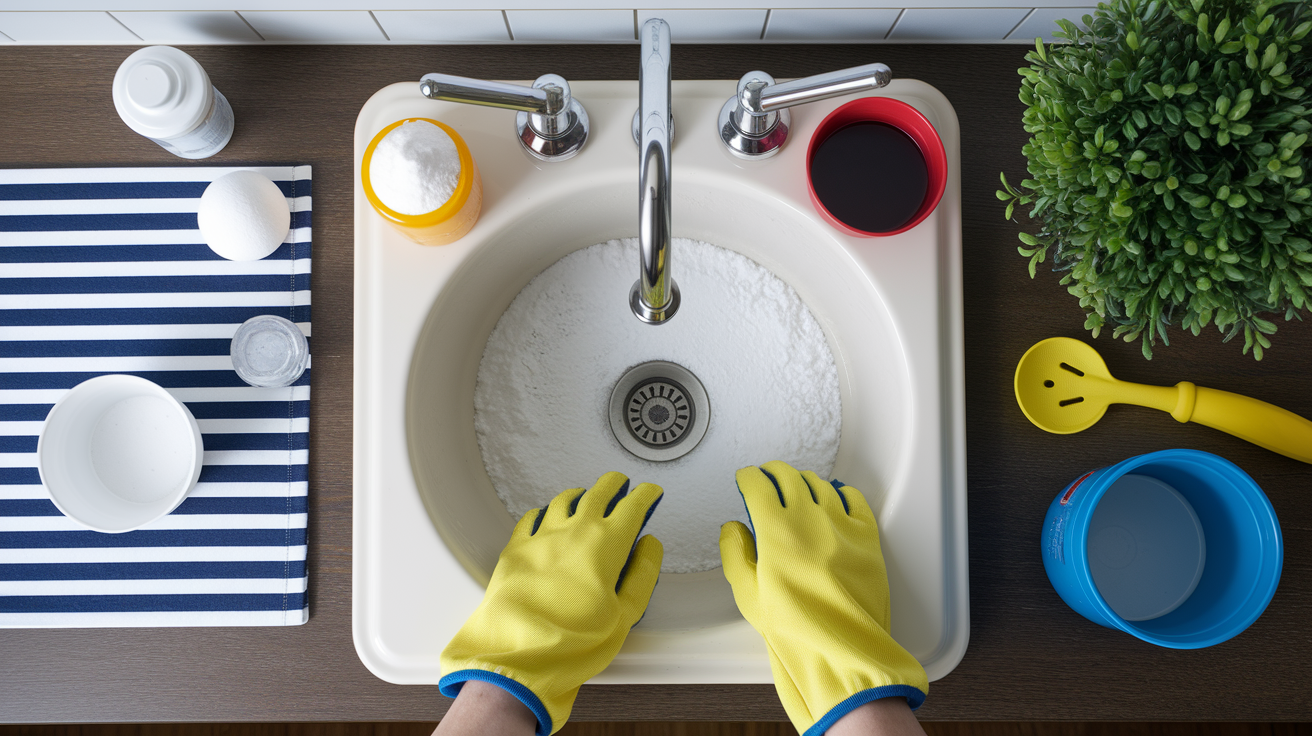
You don’t need harsh drain cleaners to fix most kitchen clogs.
Start by matching the fix to how bad the blockage is, not just grabbing the bottle under the sink.
This quick guide shows how to clear grease with dish soap and hot water, break up light gunk with baking soda and vinegar, plunge a stubborn spot, or reach in with a snake, all without pouring chemicals down your pipes.
You’ll get clear steps, tool lists, safety checks, and when to call a plumber.
Start Here: Match The Remedy To The Blockage
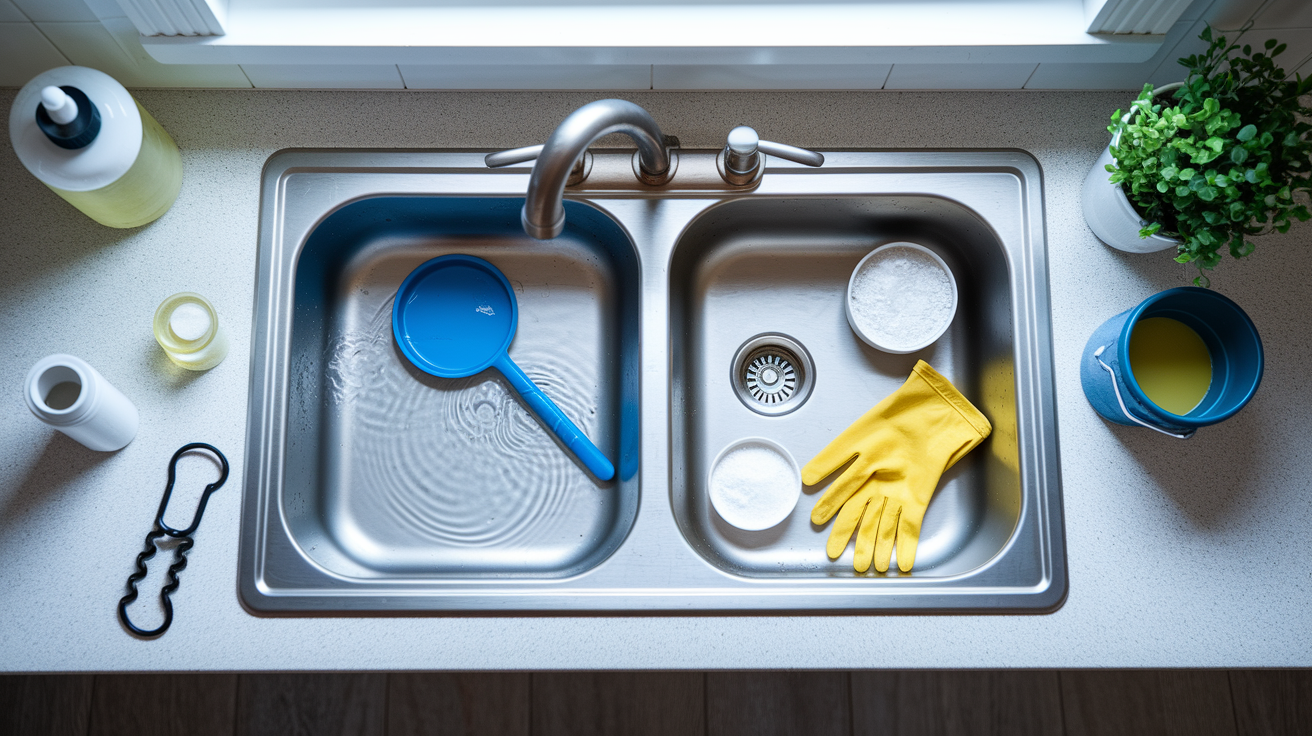
Before you grab anything under the sink, take a beat. The fastest way to unclog a kitchen sink without chemicals is matching your remedy to how bad the clog actually is, not just reaching for the first thing you see. Start gentle, and only move to hands-on mechanical removal if the water still won’t budge.
Here’s what to do in the first few minutes:
- Stop running water and turn off the garbage disposal. Don’t operate the disposal or reach inside it. Disconnect the power first (unplug it or flip the breaker), then use tongs to pull out any visible debris.
- Scoop standing water into a bucket so you can actually see the drain opening and get your remedy where it needs to go.
- Check whether the clog affects one basin, both sides of a double sink, or other fixtures in the house.
- Pick your method. Dish soap and hot water work for a slow grease clog, a plunger handles a localized blockage, baking soda and vinegar tackle light buildup, or skip straight to a snake or wet/dry vacuum if drainage has stopped completely or you’ve already tried the easier stuff.
This whole check should take 2 to 5 minutes, honestly. No need to overthink it.
Remedy 1: Hot Water And Dish Soap For Grease
Best for a sink that’s draining slower and slower because cooking fat or oil has coated the inside of the pipe.
Materials checklist: rubber gloves, a bucket, 1 to 2 tablespoons of dish soap, and very hot tap water.
- Remove any standing water from the basin so the drain is clear.
- Pour the dish soap directly into the drain and let it sit for 5 to 10 minutes. Think of it like grease cutting dish soap doing in the pipe what it does on a greasy pan.
- Flush gradually with very hot tap water, letting it work its way down slowly instead of dumping it all at once.
Don’t pour fully boiling water into PVC pipes. Too much heat can soften or warp the plastic, and that’s a repair you really don’t want.
If the water level doesn’t drop, or it rises right back up, stop adding water. Move on to the plunger instead of forcing more liquid into a pipe that’s already full.
Remedy 2: Sink Plunger For A Localized Clog
Best when you’ve got standing water or very slow drainage in one sink, or one side of a double basin setup.
Materials checklist: a sink plunger (not a toilet plunger, if you can help it), rubber gloves, a damp rag or drain stopper, and enough water in the basin to cover the plunger cup.
- Seal the second drain or the overflow opening with the damp rag so you don’t lose suction.
- Position the plunger squarely over the clogged drain.
- Plunge firmly for 15 to 20 seconds, keeping that seal tight the whole time.
- Test the flow, then repeat up to 3 times if needed.
A loose seal is the number one reason plunging fails. Press down and hold steady before you start pumping.
No movement after a few rounds? Or water backing up somewhere else in the kitchen? Stop plunging and grab a hand auger or wet/dry vacuum instead.
Remedy 3: Baking Soda And Vinegar For Light Buildup
Best for a sink that’s partially draining with minor grease, soap scum, food residue, or a lingering smell, rather than a hard blockage.
Materials checklist: 1 cup baking soda, 1 cup white vinegar, a drain stopper, rubber gloves, and very hot tap water.
- Remove standing water from the basin.
- Pour the baking soda down the drain.
- Add the vinegar and cover the opening for 15 to 30 minutes. It’ll fizz, that’s normal, that’s the reaction working on the buildup.
- Flush with very hot tap water.
One important thing here. Never use baking soda, vinegar, hot water, or any other remedy if there’s a chance commercial drain cleaner is still sitting in that pipe. Combining products can release heat, splash corrosive liquid back at you, or create fumes you really don’t want to breathe in.
If drainage hasn’t improved after one try, don’t keep piling in more baking soda and vinegar. Switch to mechanical removal instead.
Chemical free methods are generally easier on your pipes, your septic system, your pets, and the water supply, since there’s no caustic residue to worry about. But stubborn or hardened clogs may need more patience, more elbow grease, or a call to a plumber. A few things to keep in mind no matter which method you’re using:
- Never pour boiling water into pipes you know (or suspect) are PVC.
- Never combine a household remedy with leftover commercial drain cleaner.
- Never run the garbage disposal while your hand is anywhere near it.
- Cut power to the disposal and use tongs, not fingers, for visible debris.
- Wear gloves and eye protection anytime you’re opening pipes or using a snake.
Remedy 4: Move Directly To Mechanical Removal
Best for when water isn’t draining at all, the clog comes right back after clearing, you suspect a solid object is stuck, or you’ve already tried the first line remedies without luck.
Materials checklist for a snake: rubber gloves, a bucket, an adjustable wrench, and a 10 to 25 ft hand auger.
- Place the bucket beneath the trap to catch any water or debris.
- Access the drain, or remove the trap if you need direct access.
- Feed the cable in and rotate it until it meets resistance, then keep working it through the obstruction.
- Retract the cable and test the drain with running water.
Materials checklist for a wet/dry vacuum: a wet/dry vacuum with at least a 4 gallon capacity, a damp rag for sealing, gloves, and a bucket.
- Set the machine to its wet use setting (check your manual, this matters).
- Seal the hose tightly around the drain opening using the damp rag.
- Apply suction in short bursts, testing the drain between each one.
Never use a
Final Words
Start with the least invasive fix: stop the water, scoop out standing water, check which fixture is affected, then pick the remedy that matches the clog.
Try dish soap and very hot tap water for grease, a sink plunger for a localized blockage, baking soda and vinegar for light buildup, or a hand auger/wet-dry vacuum for stubborn clogs.
These steps show how to unclog a kitchen sink without chemicals and keep pipes and people safer. If the clog won’t budge, multiple fixtures back up, or you smell sewage, call a plumber. You’ve got this.
FAQ
Q: Can baking soda be used to clean a bathroom sink drain?
A: Baking soda can be used to clean a bathroom sink drain by loosening light organic buildup and neutralizing odors; follow with vinegar, wait 15–30 minutes, then flush with very hot tap water.
Q: How to open a kitchen sink drain?
A: To open a kitchen sink drain, stop running water, place a bucket, loosen the slip nuts on the P-trap with an adjustable wrench, remove the trap, and clear debris; wear gloves and eye protection.
Q: Will hydrochloric acid clear blocked drains?
A: Hydrochloric acid can clear some mineral or scale clogs but is highly corrosive and unsafe for PVC, people, and septic systems; avoid using it and call a plumber instead.
Q: How to unclog a shower drain without chemicals?
A: To unclog a shower drain without chemicals, remove the cover, pull out visible hair with gloves or a tool, try a drain snake or baking soda and vinegar for light buildup, then flush with hot water.
More from Politics
 Featured
How to Reset a GFCI Outlet Safely at Home
 DIY Repairs
How to Replace a Leaky Bathroom Faucet Cartridge Easily
 Home Maintenance
How to Adjust Door Hinges to Fix a Sagging Door
 Tools Materials