DIY Repairs
How to Clear a Slow Bathtub Drain Fast
Learn how to clear a slow bathtub drain with 5 easy DIY fixes, no plumber needed. Clear step-by-step order, tools, and safety tips included.
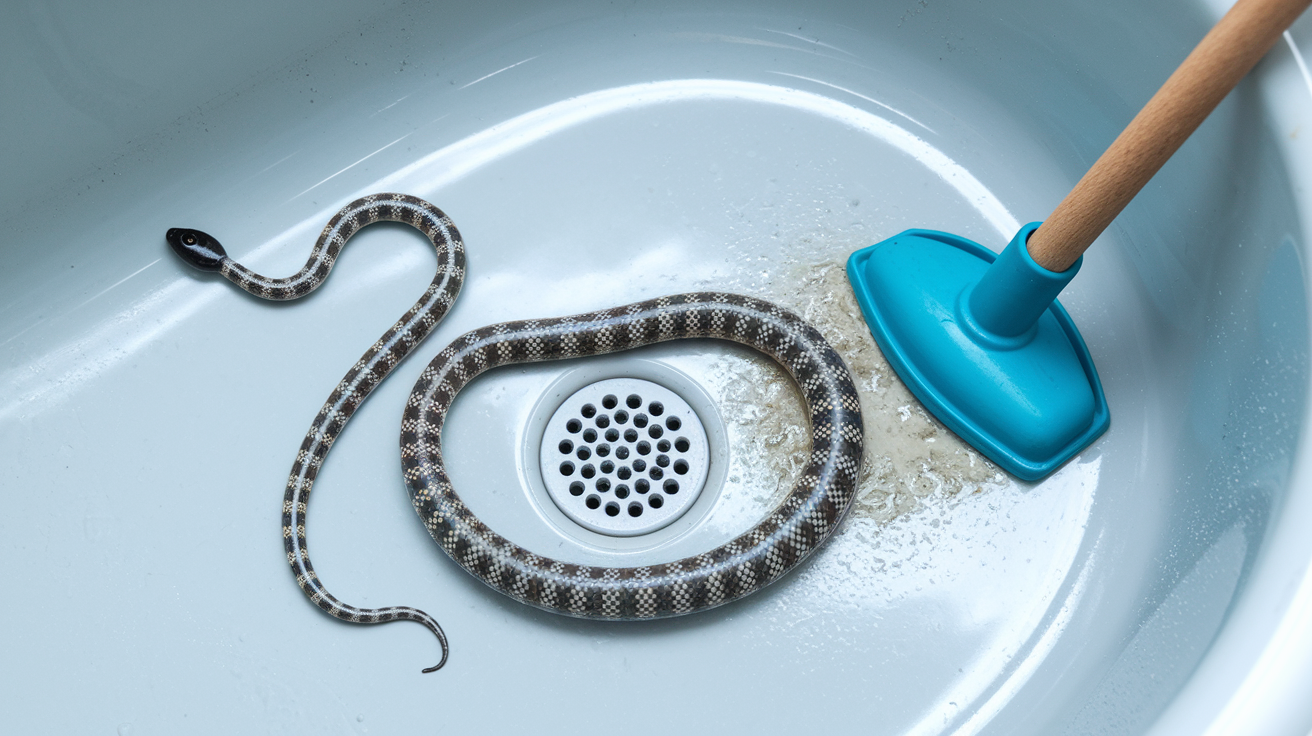
Think a slow bathtub drain means you need a plumber? Not usually.
Before you grab a chemical cleaner or call someone, stop using the tub so you’re not working in standing water.
This guide walks you through five fixes, from pouring hot water to hand snaking, in the exact order that saves time and tools.
Follow each quick step until water runs free, and you’ll likely be done before a service call costs you time and money.
Safety tips and tool lists are right up front.
Quickest Bathtub Drain Fixes In Order
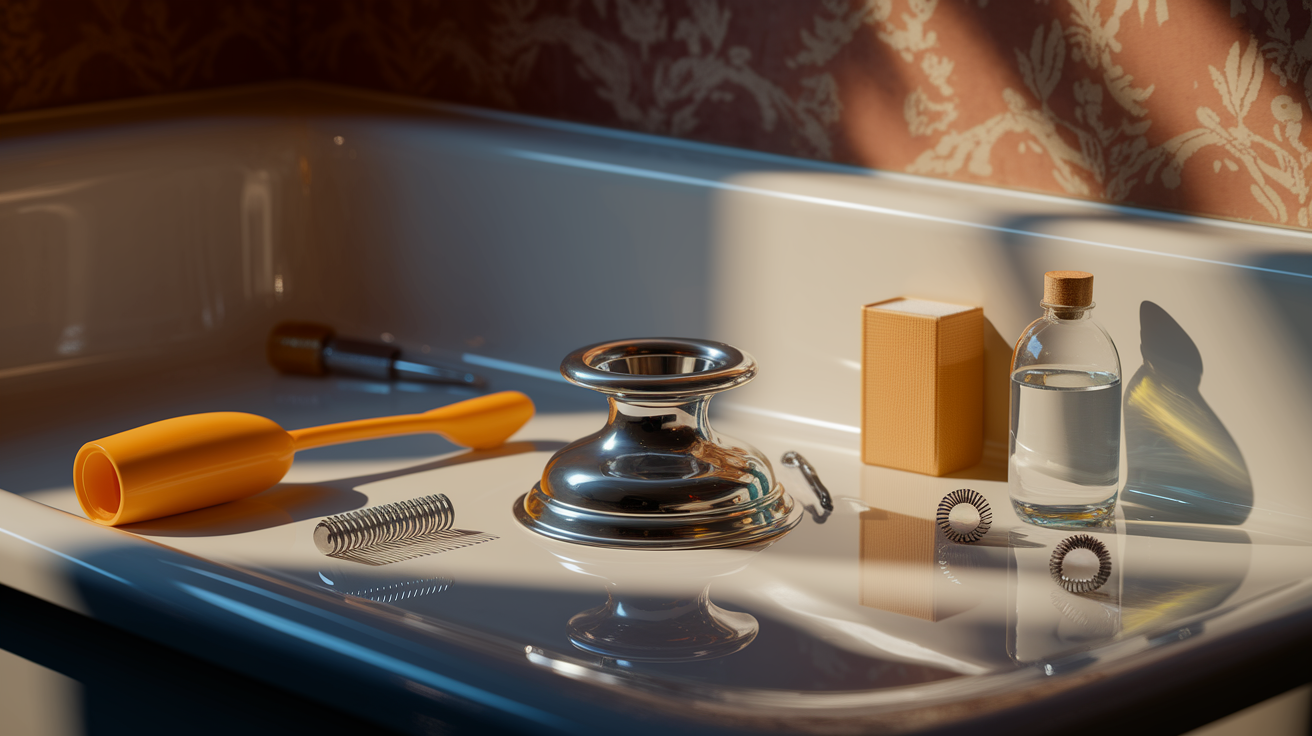
Before you grab a single tool, stop using that tub. Standing water just makes every method messier, and you want a clear path to work with. Go through the fixes below in order, starting with the gentlest option, and stop as soon as water drains freely again.
Here’s what to gather before you start:
- Rubber or nitrile gloves
- Eye protection (a cheap pair of safety glasses works fine)
- A bucket for catching water and debris
- A flathead or Phillips screwdriver
- Needle nose pliers or a plastic barbed drain tool
- Baking soda
- White vinegar
- A cup style plunger
- A wet cloth or rag (for sealing the overflow)
- A 10 to 25 ft hand auger
Work through these five methods in order, and most slow tub drains will clear before you hit the later steps:
- Pipe safe hot water (5 to 10 minutes)
- Stopper removal and hair extraction (10 to 20 minutes)
- Baking soda and vinegar (30 to 60 minutes)
- Plunging (10 to 15 minutes)
- Hand snaking (20 to 45 minutes)
One safety note before you dive in. Never mix drain cleaners together, and never pour vinegar into a drain that’s already had a commercial chemical cleaner in it. The combination can create harmful fumes. Wear gloves and eye protection any time you’re handling chemicals or reaching into the drain, keep the bathroom window open or the fan running, and skip boiling water if you’re not sure your pipes or tub finish can handle the heat.
Use Hot Water Where Pipe Safe
Start by bailing out any standing water with a cup or small container so you’re working with a clear drain. Then check what your plumbing is made of. Older metal pipes generally tolerate hot water fine, but PVC can warp or weaken under extreme heat, and porcelain tubs can crack from sudden temperature shock. If you’re not sure what you’ve got, play it safe and skip ahead to the next method.
If your setup checks out, heat water on the stove or in a kettle until it’s hot but not boiling, then pour it slowly and steadily down the drain in one continuous stream. This works best on light soap scum and won’t do much against a solid hair clog. Think of it as a quick first pass, not a fix for a serious blockage.
Remove The Stopper And Extract Hair
Most bathtub clogs are hair wrapped around or stuck to the stopper itself. Knowing what kind you have makes removal a lot less guesswork.
| Stopper Type | How To Identify It | Removal Method |
|---|---|---|
| Drop (toe touch) | You press it down to seal, press again to release | Twist and pull straight up, sometimes with a slight wiggle |
| Lift and turn | Small knob on top that you turn to open and close | Unscrew the knob counterclockwise or remove a small set screw underneath first |
| Push pull | You pull it straight up by hand to open | Grip the base and unscrew, or hold steady while pulling firmly |
| Click clack (pop up) | You tap it once to open, tap again to close | Lift and twist the cap to disengage it from the linkage underneath |
| Trip lever | A lever on the overflow plate controls a plunger down inside the pipe, no visible stopper in the drain hole | Remove the overflow plate screws and pull the whole linkage out |
Once you know what you’re dealing with:
- Snap a quick photo of the stopper in its original position so reassembly is easy later.
- Remove the stopper using the method that matches your type from the table above.
- Set any screws aside somewhere you won’t lose them, like a small cup or magnetic tray.
- Pull visible hair and gunk out with needle nose pliers or a plastic barbed drain tool, working slowly so you don’t drop it back in.
- Wipe soap residue off the stopper itself and clean around the drain opening with an old rag.
- Reinstall the stopper, or leave the drain open and accessible if you’re moving on to the next method.
If a screw or part feels corroded or won’t budge, don’t force it. Stripped screws and cracked plastic housings turn a quick job into a bigger repair.
Apply Baking Soda And Vinegar
This combination is gentle, cheap, and good for loosening light buildup, though it won’t do much against a thick mat of hair.
- Bail out any remaining standing water in the tub.
- Pour a half cup of baking soda directly into the drain opening.
- Follow it with a half cup of white vinegar.
- Cover the drain opening (a rag works fine) so the fizzing reaction stays down in the pipe instead of just bubbling up and out.
- Wait 30 to 60 minutes, then flush with pipe safe hot water.
Keep in mind this method shines on soap film and light organic residue, not dense hair clogs. And it bears repeating, never follow up vinegar with a commercial drain cleaner or bleach. That mix can create dangerous fumes.
Plunge The Drain Correctly
A cup plunger creates pressure that can dislodge what hot water and baking soda couldn’t touch, but only if you seal things up correctly first.
- Remove or open the stopper so the plunger has direct access to the drain.
- Seal the overflow opening (that extra hole higher up on the tub wall) with a wet cloth, pressed firmly in place.
- Add enough water to the tub to fully cover the plunger’s rubber head before
Final Words
Stop using the tub and work through the fixes in order: pipe-safe hot water, remove the stopper and pull hair, baking soda and vinegar, plunge, then hand-snake. Stop as soon as water drains freely.
Have the right gear—gloves, eye protection, bucket, plunger, snake—and watch safety: don’t mix cleaners or pour boiling water on PVC or fragile porcelain.
If you’ve tried everything and it’s still slow, don’t force tools or mix cleaners—call a pro. Use these steps for how to clear a slow bathtub drain and you’ll often get a quick, clean fix.
FAQ
Q: Why is my bathtub draining so slowly?
A: A slow bathtub drain is usually from hair and soap scum clogging the trap or pipes. Less common causes: mineral buildup, foreign objects, misaligned or damaged pipes, or a main sewer blockage.
Q: Can vinegar and hot water unclog a drain?
A: Vinegar and hot water can loosen light soap and organic residue but rarely clear dense hair masses; use them for minor clogs, and never mix vinegar with commercial drain cleaners.
Q: What will dissolve hair in a drain?
A: Strong caustic drain cleaners (lye-based) can dissolve hair, and enzyme products slowly eat organic matter; still, the safest, most reliable fix is mechanical removal with pliers, a barbed tool, or a hand auger.
Q: Can Dawn dish soap unclog a bathtub drain?
A: Dawn dish soap can help loosen greasy, oily clogs by breaking surface tension and lubricating debris—use with hot water and plunging—but it won’t dissolve hair clumps; mechanical removal works better for hair.
More from Politics
 Featured
How to Reset a GFCI Outlet Safely at Home
 DIY Repairs
How to Replace a Leaky Bathroom Faucet Cartridge Easily
 Home Maintenance
How to Adjust Door Hinges to Fix a Sagging Door
 Tools Materials