DIY Repairs
How to Fix Low Water Pressure in the Shower Fast
Weak shower? Learn how to fix low water pressure in the shower with quick DIY checks for clogs, valves, sediment, and leaks. No plumber needed.
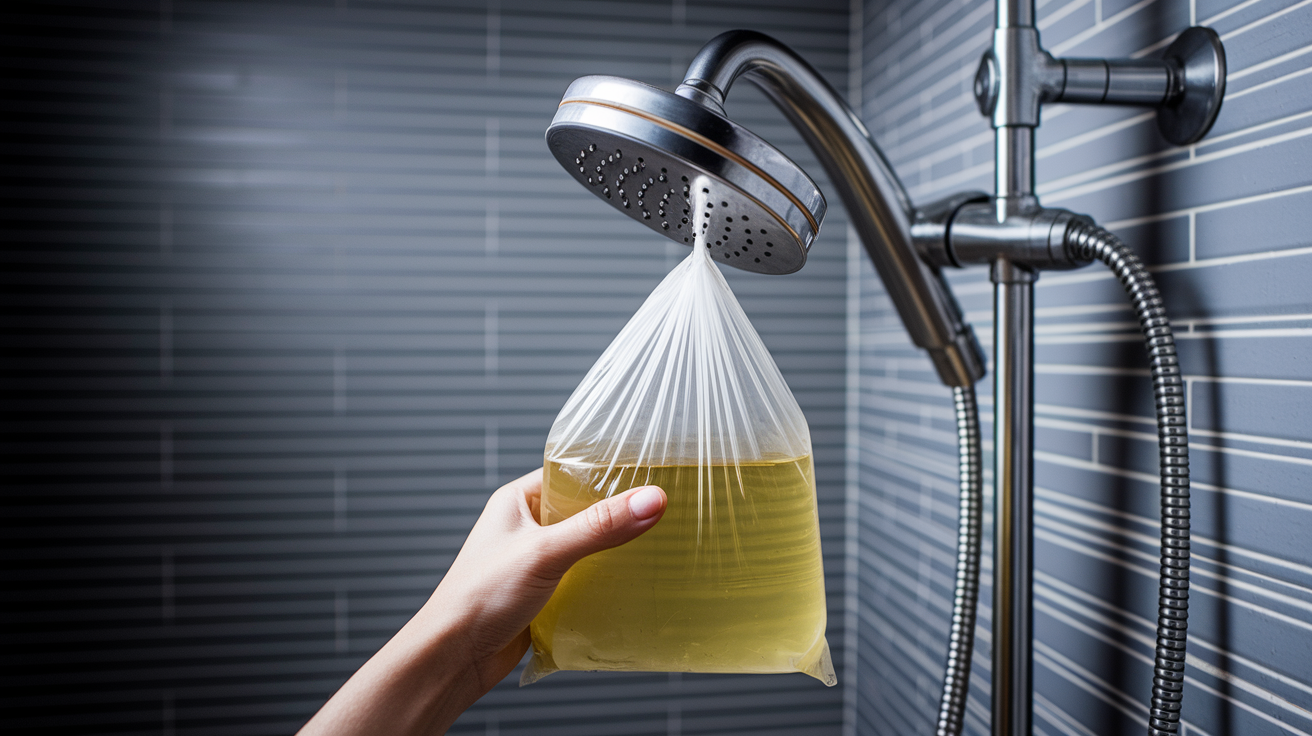
Sick of a weak shower that leaves you rinsing twice and wishing for more?
You don’t need a full re-pipe or a pricey service call to fix most of the trouble fast.
This quick guide walks you through fast checks and fixes that match the seven most common causes.
Clogged showerhead, stuck valve, flow restrictor, heater sediment, corroded pipes, regulator trouble, or a hidden leak.
You’ll know whether to clean, swap a part, tweak a setting, or call a plumber, and get better pressure today.
Common Causes And Their Matching Symptoms
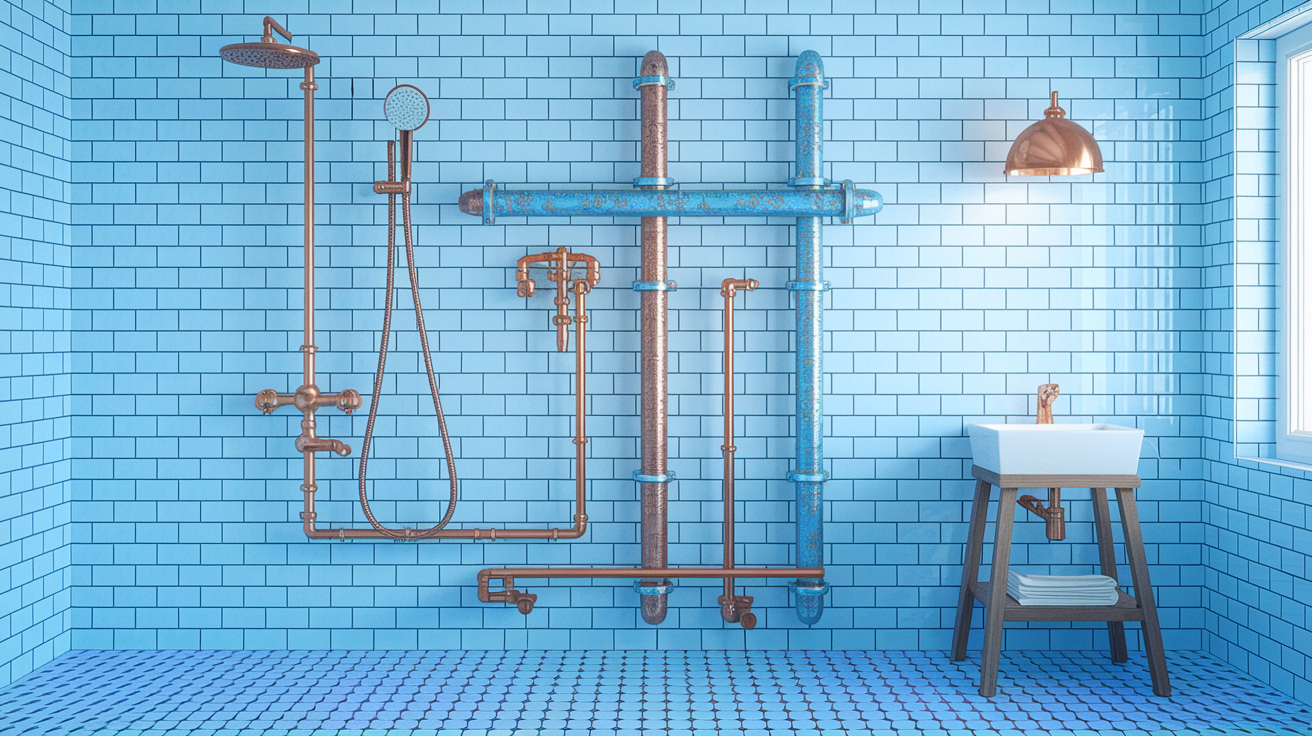
Now that you’ve got a diagnosis pattern, let’s match it to a likely cause. Each of these seven issues tends to show up with its own telltale symptom pattern.
An isolated showerhead obstruction is the most common, and the most fixable, cause. If your symptoms pointed to just the shower being weak with mineral residue visible, head back to the Quick Fixes section above rather than troubleshooting further here.
A partially closed valve or worn cartridge shows up as weak flow confined to the shower, even after the showerhead is clean. It often feels like the water just can’t push through, no matter how far you turn the handle.
A factory-installed flow restrictor creates a baseline resistance that’s normal, not a malfunction. If your shower has always felt a bit gentle compared to other homes, this is probably why.
Internal corrosion in older galvanized pipes narrows the passage water travels through over time. This shows up a lot in homes built before the 1960s, where the original steel plumbing is still sitting there, slowly rusting from the inside out.
Water heater sediment or a restricted hot-water line explains weak flow that only shows up on the hot side. Tank-style heaters build up sediment at the bottom over the years, and that buildup can choke off the outlet before the water even reaches your pipes.
A pressure regulator problem usually points to a whole-house issue, not just one fixture. If every tap in the house feels weak, or your pressure gauge reading came in low across the board, the regulator (or a lack of one) is worth a look.
Undersized or heavily restricted supply lines can be the quiet cause behind pressure that’s always been mediocre, not something that suddenly got worse. Older homes sometimes have narrower pipe than modern plumbing codes would call for, and that’s just a structural limit you’re working against.
A hidden leak drains pressure before it ever reaches your shower. Damp spots in the basement, warped flooring, or a water bill that’s crept up for no clear reason are the usual tells. Don’t ignore this one. A slow leak behind a wall won’t fix itself, and it only gets more expensive the longer it sits.
Once you’ve matched your symptoms to one of these seven, you’ll know exactly where to put your attention next, whether that’s a wrench, a call to the water heater, or a call to a plumber.
Final Words
Check whether weak flow affects only the shower, only hot water, or the whole house before you remove anything. If it’s just the shower, cleaning or a vinegar soak often clears mineral buildup.
If cleaning doesn’t do it, run the quick diagnostics: compare fixtures, test hot vs cold, check for leaks, and measure pressure. Replace a worn cartridge or open accessible supply stops when the diagnosis points to the valve. Don’t force seized parts—call a plumber if you can’t isolate the water.
These steps explain how to fix low water pressure in the shower without guessing. You’ll save time and get a stronger, steadier flow.
FAQ
Q: How do I boost the water pressure in my shower?
A: Boosting shower water pressure starts by confirming the issue is only that shower. If isolated, remove and soak the showerhead in white vinegar, clear nozzles, retest, and check the valve or hose if needed.
Q: Why is my shower not having water pressure while everything else is working fine? / Why is my shower pressure weak all of a sudden?
A: If your shower lacks pressure while other fixtures work or pressure fell suddenly, likely causes are a clogged showerhead, a partially closed or faulty valve/cartridge, a blocked hose, or a flow-restrictor issue.
Q: What is the most common cause of low water pressure?
A: The most common cause of low water pressure differs: for a single fixture it’s usually a clogged showerhead; for whole-house low pressure it’s often low supply, a bad pressure regulator, or a hidden leak.
More from Politics
 Featured
How to Reset a GFCI Outlet Safely at Home
 DIY Repairs
How to Replace a Leaky Bathroom Faucet Cartridge Easily
 Home Maintenance
How to Adjust Door Hinges to Fix a Sagging Door
 Tools Materials