Featured
How to Remove a Stripped Screw Without Tools
Stripped screw won't budge? Try a rubber band, pliers, or a new slot before you drill. Simple fixes with tools you already have at home.
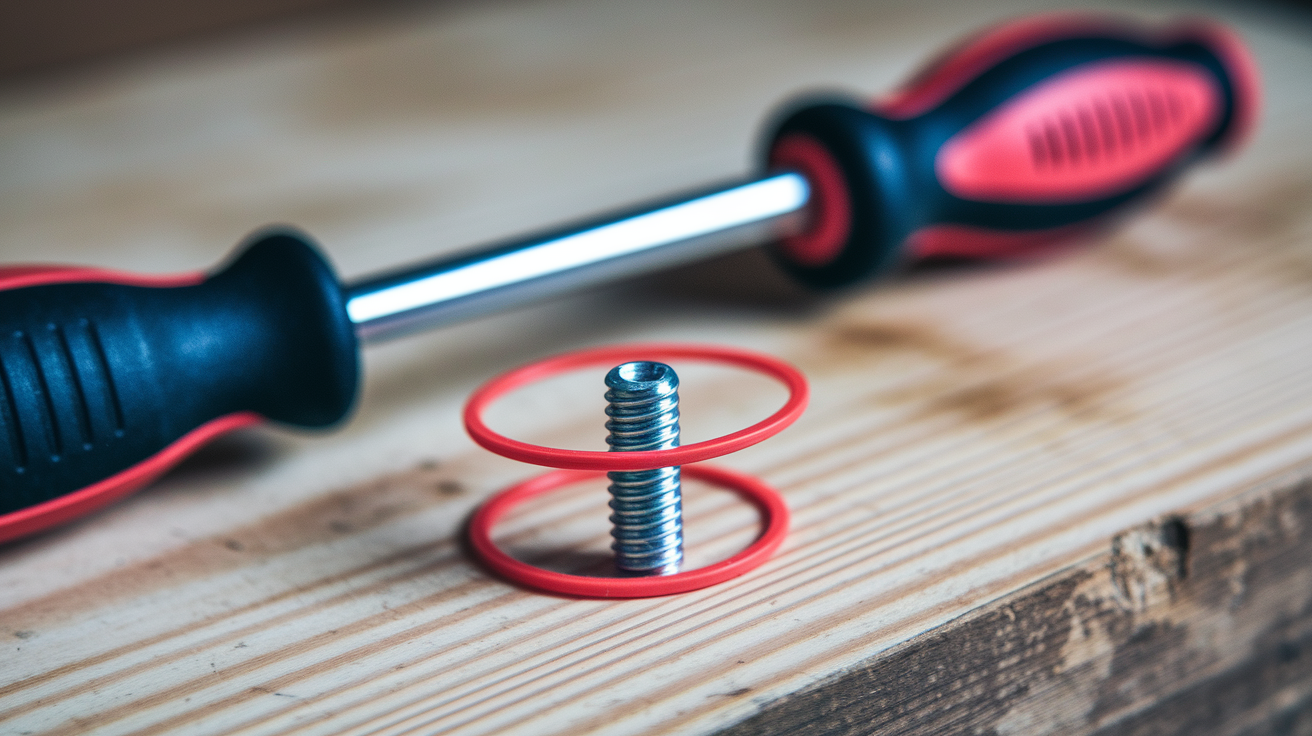
You almost never need a specialty extractor to remove a stripped screw.
Most of the time something you already own will get it out.
Work top to bottom: try a rubber band first, then gripping with pliers, a different driver, or cutting a fresh slot before thinking about drilling.
Following this order saves the fastener and the surrounding material, and keeps the job small and repairable.
Read on for quick, safe steps a beginner can do with basic tools and common household items.
Quick Fixes For A Stripped Screw
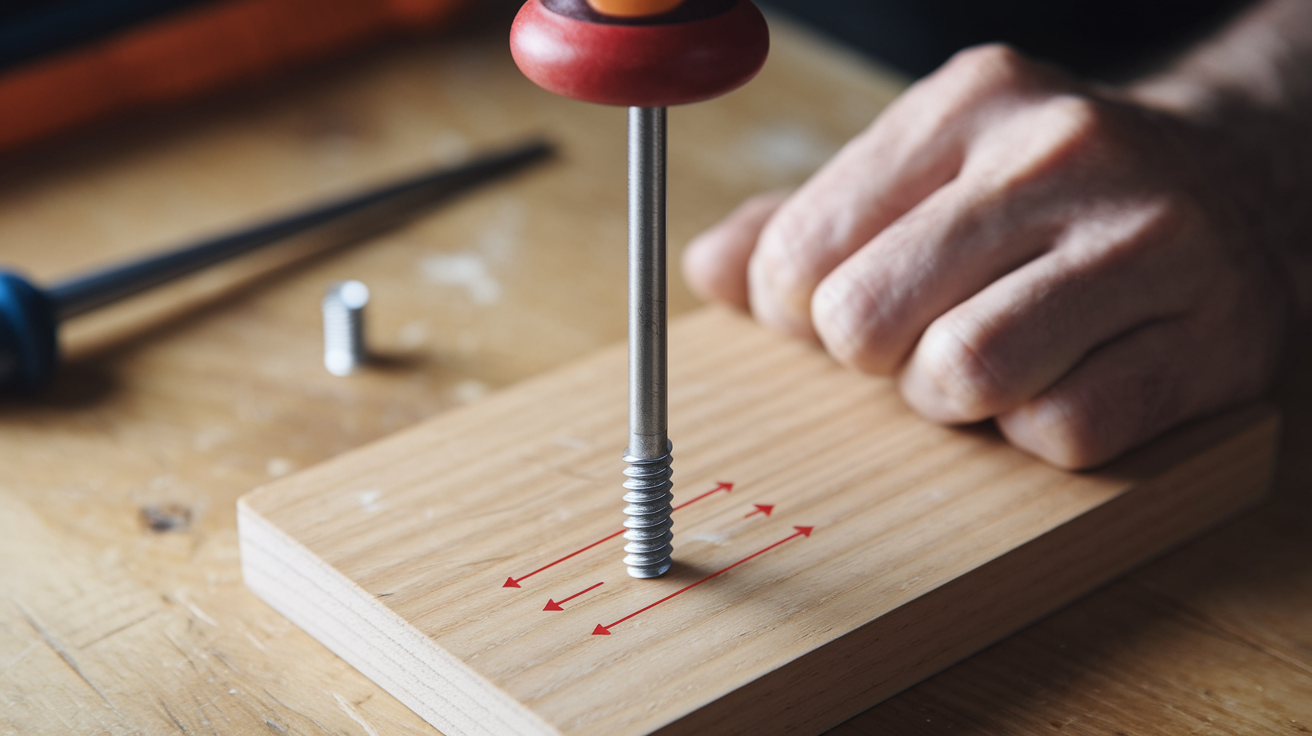
A stripped screw is one whose head has worn down or rounded out so badly that your screwdriver just spins in place instead of catching and turning it.
Good news: you don’t need a specialty extractor kit sitting in a drawer to fix this. Most of the time, something you already own will get the job done. Work through this list in order, starting with the gentlest method. Jumping straight to drilling is how a small annoyance turns into a bigger repair.
- Lay a rubber band flat over the stripped head, press a correctly sized screwdriver firmly through it, and turn slowly counterclockwise by hand.
- If that doesn’t budge it and the head is exposed above the surface, clamp it with locking pliers and turn.
- Try a wider or differently shaped driver. A flathead often seats better in a chewed up Phillips recess than you’d expect.
- Cut a fresh slot across the head using a rotary tool or hacksaw, then turn it like a flathead screw.
- Save drilling out the screw for last. It works, but it’s the most destructive option on this list.
- Stop right away if the driver keeps slipping and the recess looks more rounded than when you started. Pushing harder at that point just digs the hole deeper, literally.
Image/video callout: show correct driver alignment and downward pressure.
One quick note before you start. Flush or countersunk screw heads can’t be gripped with pliers since there’s nothing above the surface to clamp onto. Skip straight to another method for those.
Use The Rubber Band Trick To Remove A Stripped Screw
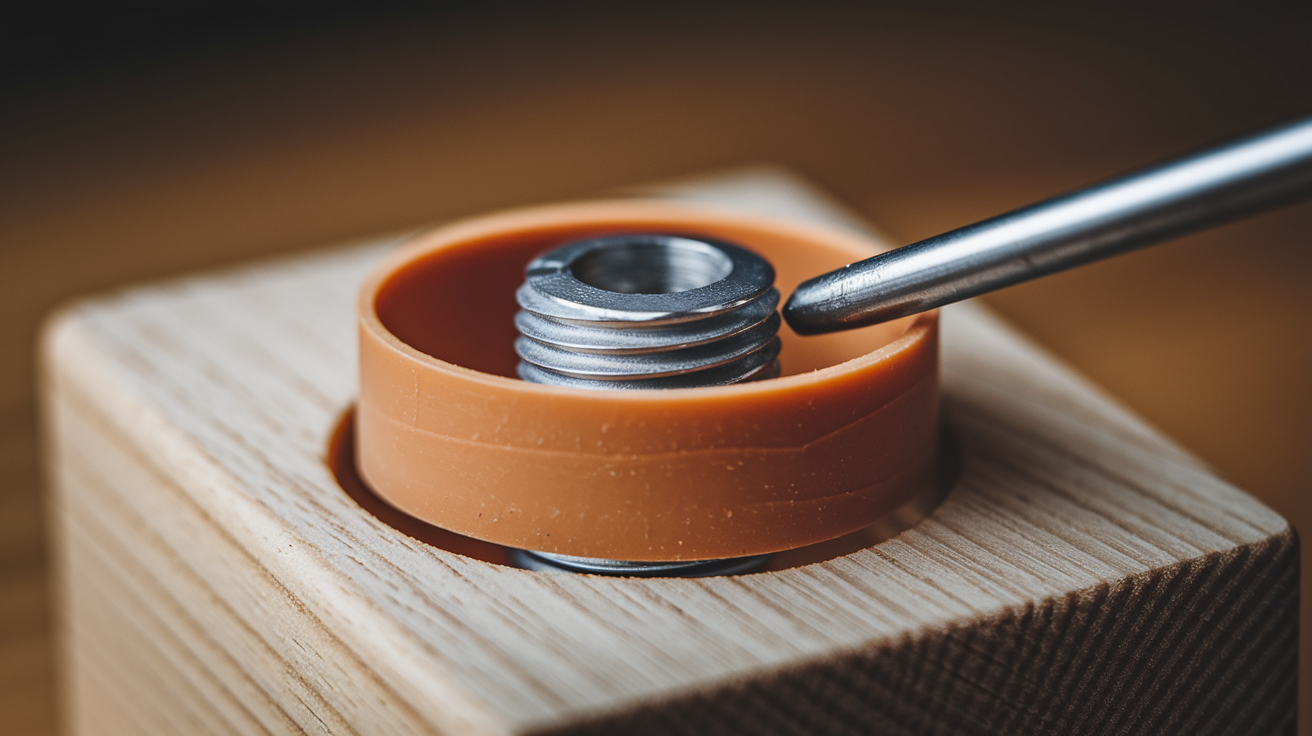
This is the first thing to try on almost any stripped screw, and it costs you nothing. A wide rubber band stretched over the damaged head fills in the worn down grooves, giving your screwdriver tip something to grab onto instead of just spinning.
- Grab a wide, sturdy rubber band. Thin ones tend to snap or shred, so look for something closer to a produce band than a thin office band.
- Lay the rubber band flat across the stripped screw head, covering the whole recess.
- Press the correctly sized screwdriver through the rubber band and into the damaged slot.
- Apply firm, steady downward pressure, keeping the driver as straight as possible.
- Turn slowly by hand, counterclockwise. Don’t rush this part. A slow, steady turn with constant pressure works better than a quick jerk.
No rubber band handy? Duct tape folded over the driver tip or a small pinch of fine steel wool pressed into the recess works on the same idea. Fill the gap, add friction, give the driver something to bite.
| Detail | Info |
|---|---|
| Applicable screw type | Phillips or flathead, mildly rounded |
| Household items needed | Rubber band, screwdriver |
| Time | 2 to 5 minutes |
| Difficulty | 1/5 |
| Success rate | Roughly 30 to 80 percent |
| Failure signs | Driver still spins without catching, band shreds apart |
| Safety note | Never use a power drill with this method. Hand pressure only. |
Image/video callout: show rubber band placement and driver pressed through it.
Grip And Turn A Stripped Screw With Pliers
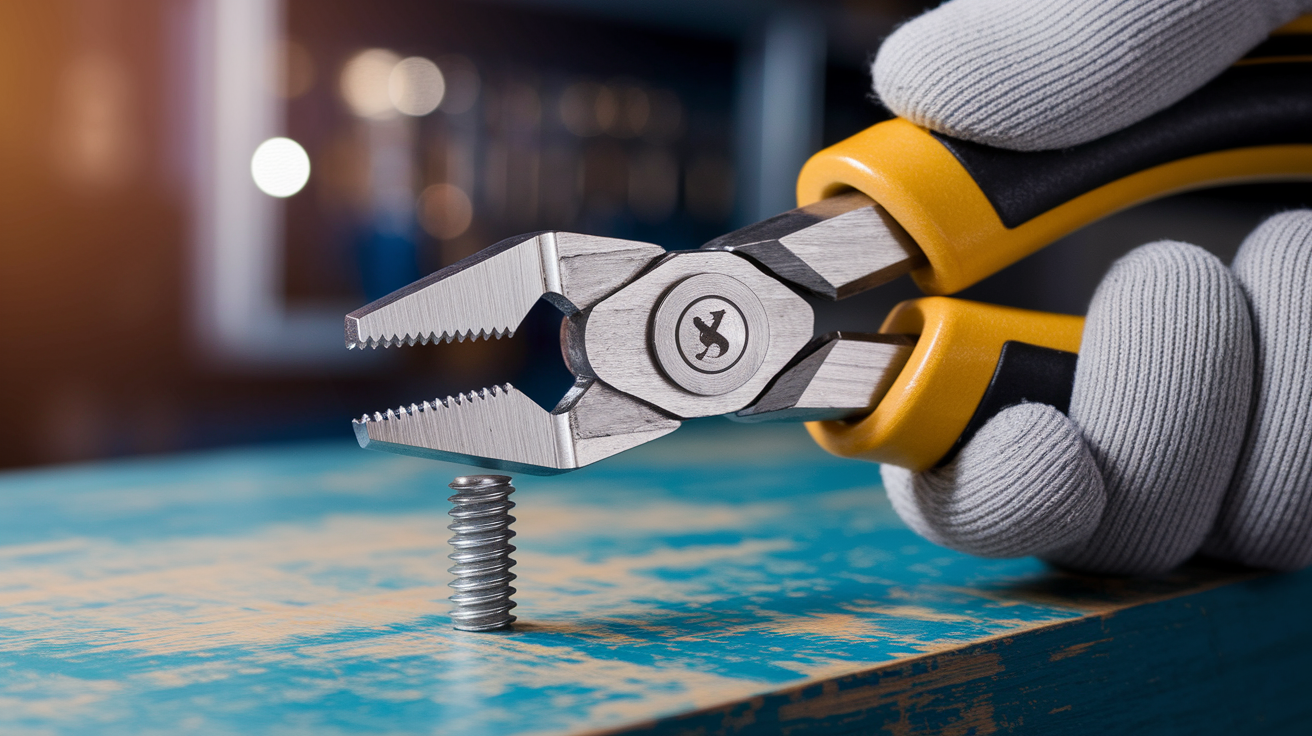
This method only works if the screw head is raised or sticking up above the surface at least a little. If there’s any part of that head you can get a jaw around, pliers skip the damaged recess completely and grab the outside instead.
- Check how much of the head is exposed. You need enough clearance to close pliers around it.
- Clamp locking pliers (or regular pliers if that’s what you’ve got) tightly around the sides of the head and lock them in place.
- Turn counterclockwise with slow, steady pressure. Don’t yank, just apply consistent torque.
- Once it loosens, keep using the pliers to back the screw the rest of the way out.
If the head is a bit larger, like on a bolt or a bigger screw, an adjustable wrench can do the same job and sometimes gives you a bit more leverage.
| Detail | Info |
|---|---|
| Applicable screw type | Raised or protruding heads only, any drive type |
| Household items needed | Locking pliers or regular pliers, optional adjustable wrench |
| Time | 2 to 5 minutes |
| Difficulty | Easy to moderate |
| Success rate | Roughly 50 to 95 percent when the head is exposed enough to grip |
| Failure signs | Jaws slip off smooth or rounded sides, head shears off |
| Safety note | Wear gloves to avoid pinched fingers. Don’t attempt on flush heads. |
Image/video callout: show locking pliers clamped onto an exposed screw head.
Final Words
Start by trying the rubber band trick, then move to pliers, a wider driver, cutting a new slot, and drilling only as a last resort — stop if slipping makes the head worse.
Work from least to most aggressive. Note flush or countersunk heads can’t be gripped with pliers. Use steady downward pressure, hand tools for the rubber band method, and wear gloves and eye protection when cutting or drilling.
This step-by-step approach shows how to remove a stripped screw without specialty tools in most cases, and with patience you’ll walk away with a neat fix.
FAQ
Q: How do I remove a screw with a damaged head?
A: Removing a screw with a damaged head starts with easy fixes: press a rubber band into the recess and use a proper driver, then try locking pliers, a wider bit, a new slot, and drilling last; stop if slipping worsens.
Q: Does Home Depot have a strip screw remover?
A: Home Depot carries strip-screw removers (screw extractors/easy-outs) in-store and online; buy a set or single extractor, or ask staff for the right size and kit for damaged screw heads.
Q: How can I prevent screws from stripping?
A: You can prevent screws from stripping by using the correct driver size, steady downward pressure, sharp bits, pilot holes in hard wood, and slower drill speed or clutch near the end for controlled torque.
Q: How to open a triangle screw?
A: A triangle screw opens with a matched triangular driver or bit; use the correct-sized security triangle bit, or grip a protruding head with pliers, buy the bit first, or call a pro for sealed security fasteners.
More from Politics
 Featured
How to Reset a GFCI Outlet Safely at Home
 DIY Repairs
How to Replace a Leaky Bathroom Faucet Cartridge Easily
 Home Maintenance
How to Adjust Door Hinges to Fix a Sagging Door
 Tools Materials