Tools Materials
How to Test and Reset a GFCI Outlet Safely
Learn how to test and reset a GFCI outlet safely in 2 minutes using just the TEST and RESET buttons. No wiring needed. Simple safety checks included.
Think a GFCI outlet always protects you? Not necessarily.
In this short, two-minute guide you’ll learn how to test and reset a GFCI outlet safely using only the front TEST and RESET buttons, a lamp or a plug-in tester.
I’ll walk you through the exact steps, the simple safety checks to do first (dry hands, don’t touch a cracked, warm, or sparking outlet), what to try if it won’t trip or reset, and when to stop and call a licensed electrician.
No wiring, no faceplate removal—just quick checks that tell you the outlet is doing its job.
The Two-Minute GFCI Safety Check
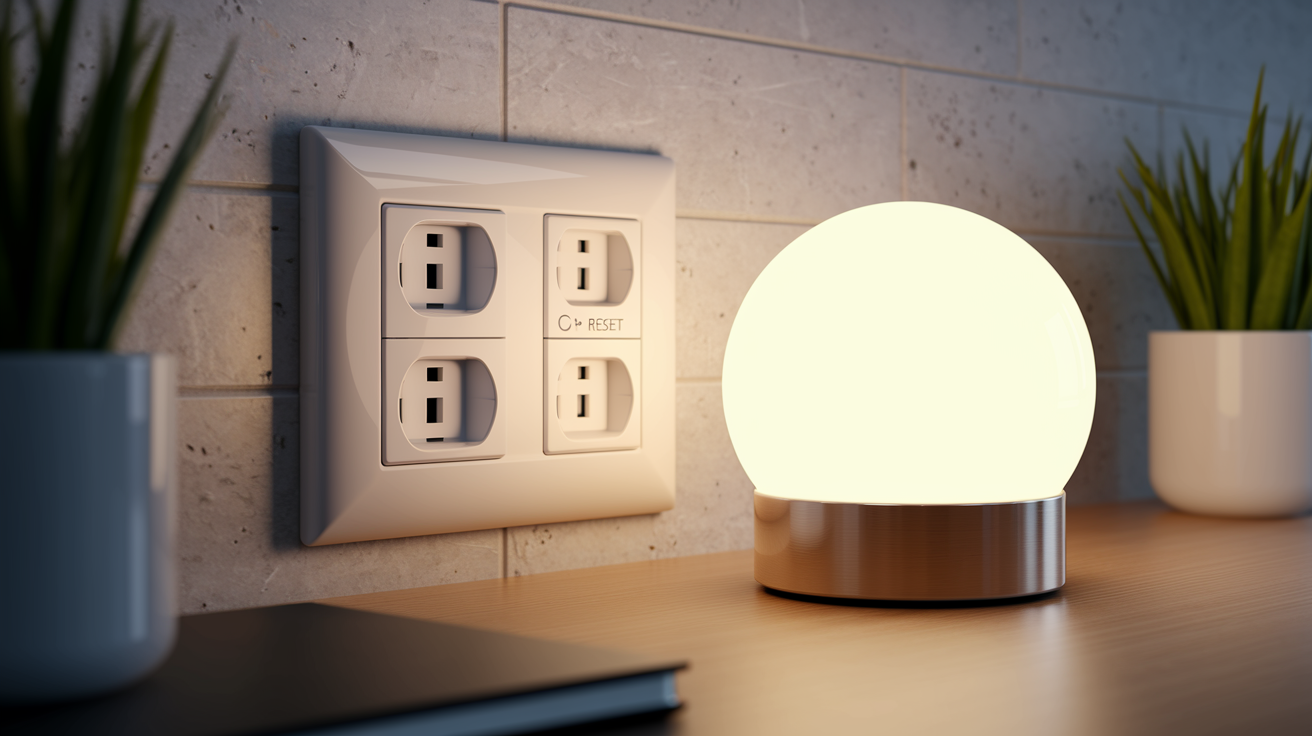
Here’s the good news: you can run a complete GFCI outlet testing procedure without touching a wire or popping off the faceplate. The buttons on the front do all the work. This quick check tells you whether the outlet is actually protecting you the way it’s supposed to, and whether it’s tripped.
Before you start, a quick safety check of your own. Dry hands only, and make sure the area around the outlet is dry too. Leave the faceplate on, you won’t need to remove it for this test. And if the receptacle looks cracked, feels loose in the wall, is warm to the touch, buzzing, sparking, or shows any scorch marks, stop right there. That outlet needs a qualified electrician, not a DIY test.
Here’s the step by step GFCI test guide:
- With the outlet energized (meaning it’s getting power like normal), plug in a lamp or small device and turn it on. This confirms power is actually present before you test anything.
- Press the TEST button. The lamp should shut off immediately, cutting power to the outlet. You might hear a soft click when it trips. That’s normal.
- Press the RESET button firmly until you feel it engage. Some buttons need a solid push, not just a light tap.
- Check that the lamp turns back on. If it does, power’s been restored and the GFCI is functioning correctly.
- If pressing TEST doesn’t cut power, or RESET won’t restore it, don’t open the outlet. Instead, check whether another GFCI outlet nearby controls this one, or look for a tripped GFCI breaker at your panel.
So how do you tell if a GFCI has tripped? Usually the RESET button will be popped out slightly, and anything plugged into it will have lost power. If your two-minute check doesn’t go as expected, that’s your signal for more digging, and possibly a call to an electrician.
Additional Safety Precautions
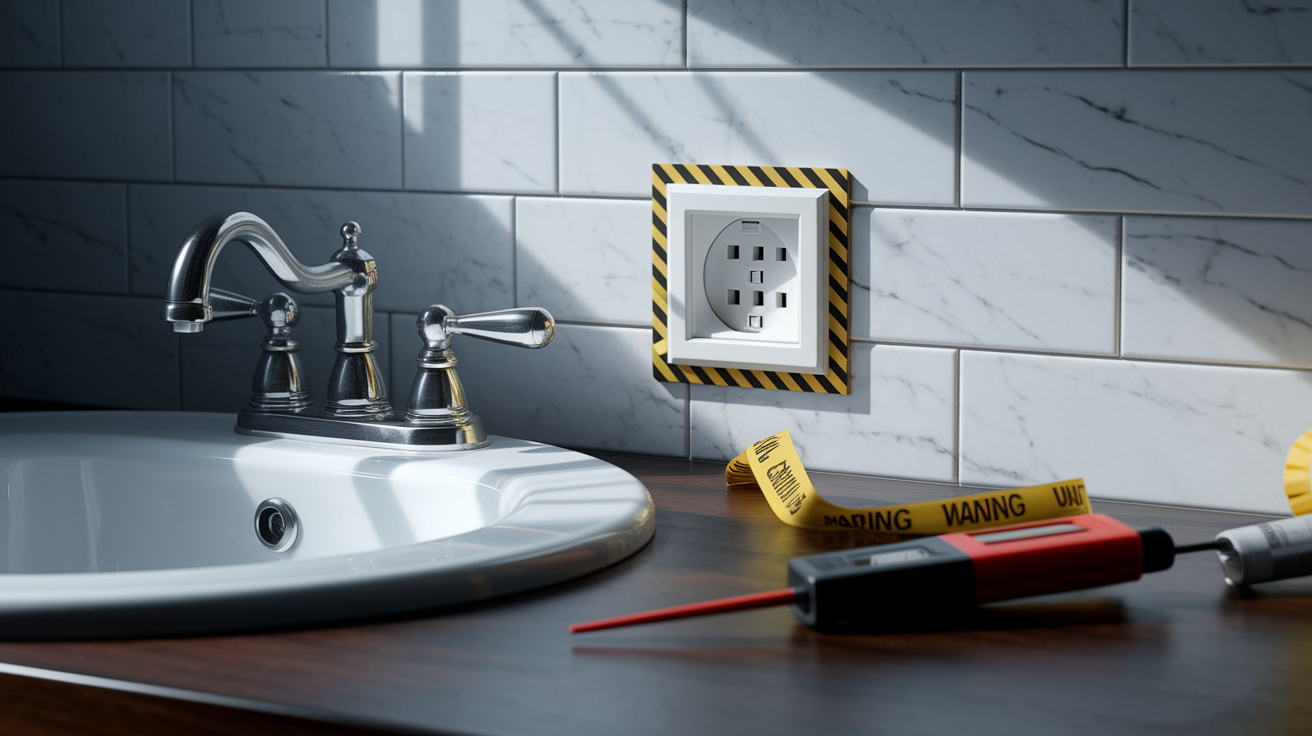
A few more ground fault circuit interrupter receptacle safety habits are worth building in, beyond just following the button sequence. Keep your hands and the surrounding area bone dry, and skip testing altogether during an active thunderstorm. Keep kids and pets clear of the outlet while you’re working, and never touch a receptacle that feels hot, sparks, looks scorched, has a crack in it, or wiggles loosely in the wall. Those are all signs of a bigger problem than a simple reset will fix.
Here’s an important distinction. Pressing TEST and RESET isn’t electrical work, it’s just operating a built in safety feature, and it doesn’t require removing anything. But the moment you need to take off the cover plate or look at wiring, you’ve crossed into different territory. That means switching off the correct breaker first, marking it with a strip of painter’s tape so nobody in the house flips it back on while you’re elbow deep in the box, and confirming it’s actually de energized using a non contact voltage tester held near the wires. Honestly, this step gets skipped more than it should. One quick note, insulated gloves are not a substitute for proper lockout. They don’t make live wires safe to handle, full stop.
If you’re ever unsure whether an outlet is safe to touch or whether you’ve isolated the right breaker, stop and call a licensed electrician. This isn’t the place to guess.
Using A Plug-In GFCI Tester
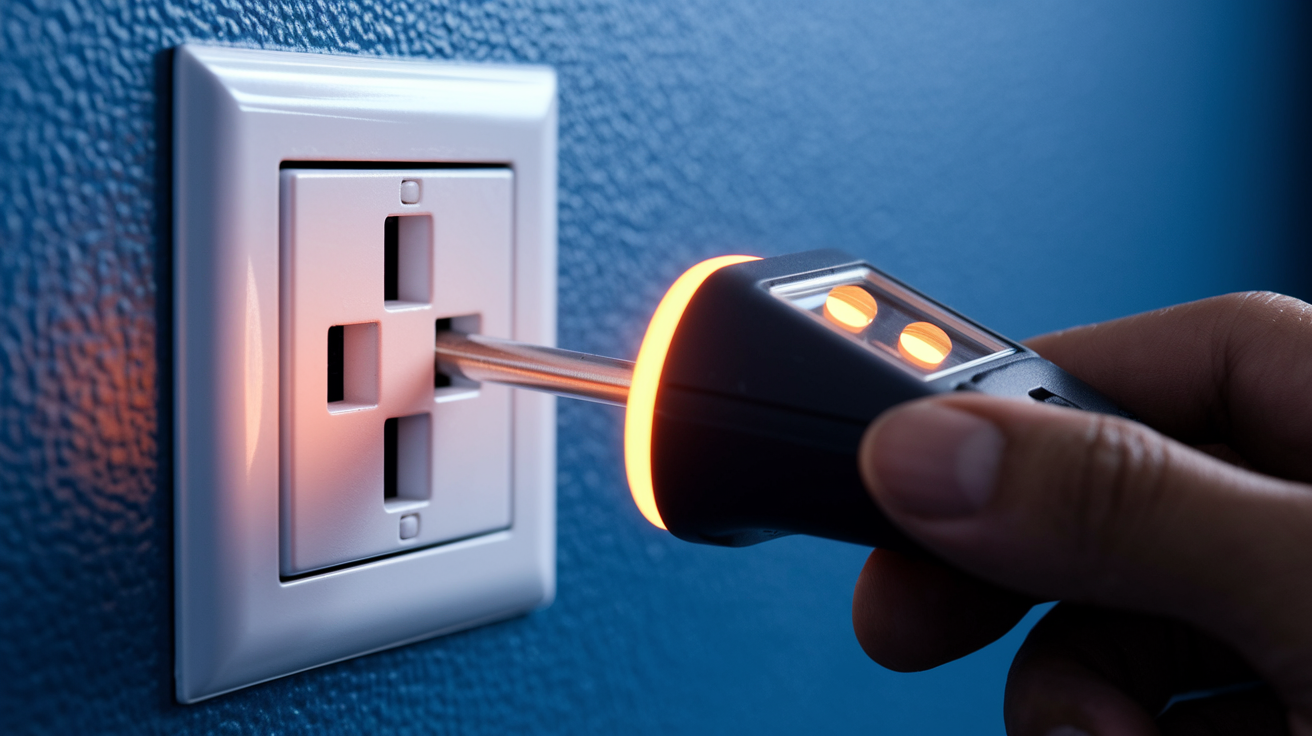
The lamp and button method above tells you whether the GFCI trips and resets. A plug in GFCI tester goes a step further by checking common wiring conditions inside the receptacle itself. Think of it as a second opinion with a built in readout.
To use one, plug the tester directly into the energized outlet. It’ll light up a combination of small indicator lights, and you’ll want to compare that pattern against the legend printed right on the tester (every brand is a little different, so don’t rely on memory from the last one you used). Most testers also include a button that simulates a ground fault. Press it, and a properly working GFCI should trip immediately, cutting power. From there, you can hit RESET on the outlet to bring power back.
It’s worth knowing what these testers can’t do. A basic three light tester won’t catch every wiring defect out there, including some false ground conditions or situations with multiple faults happening at once. And here’s a quirky one, the simulated fault button might not trip a GFCI on an ungrounded two wire circuit, even if the outlet has real GFCI protection working fine. So don’t take a non trip as automatic bad news without more context.
If your tester shows no lights at all despite the outlet having power, indicates reversed polarity or an open wire, gives you inconsistent readings test after test, or just won’t trip a GFCI that should clearly be grounded, that’s your cue to stop guessing and bring in a professional.
Retesting Events And GFCI Service Life
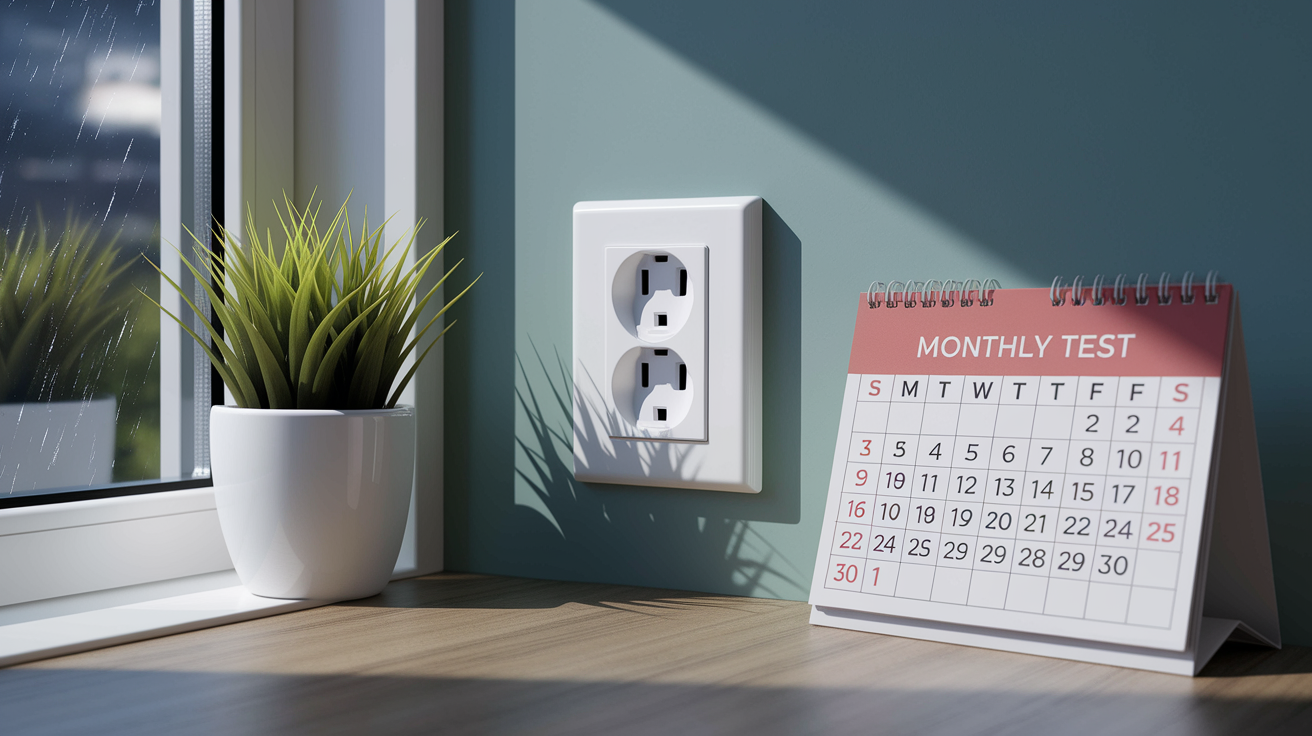
A monthly GFCI testing recommendation is the baseline. Once a month, run through the button check: press TEST, confirm power cuts, press RESET, confirm power returns. But certain events call for an extra test outside that regular schedule. Retest after any water exposure, a bad storm, a power outage or surge, remodeling or electrical work nearby, an unexplained trip you can’t account for, or after the outlet’s sat unused for a long stretch. As for lifespan, most GFCI outlets are good for roughly 10 years, and that’s when you should start paying closer attention to how it’s performing.
But age isn’t the only thing that matters here. A GFCI deserves a closer look, and possibly early replacement, if it won’t trip during a routine test, won’t stay reset, restores power inconsistently, feels warmer than it should, makes any odd sounds, or shows cracks or scorch marks anywhere on the housing. When in doubt, swap it out. A new GFCI outlet costs a lot less than dealing with the aftermath of one that quietly stopped doing its job.
Final Words
Start with the two-minute safety check: plug in a lamp, press TEST to cut power, then press RESET to restore it. We also covered extra precautions — keep hands and the area dry, don’t touch hot or damaged outlets, and switch off the breaker before removing covers. The plug-in tester section showed what extra wiring info you can get and where testers fall short.
Follow the monthly retest routine and stop if something seems off. These steps show how to test and reset a GFCI outlet safely and keep things working.
FAQ
Q: My GFCI outlet reset button popped out. What should I do?
A: If your GFCI outlet reset button popped out, unplug devices and press RESET firmly to re-engage; if it won’t latch, feels hot, sparks, or stays out, stop and call a licensed electrician.
Q: How to test a GFCI electrical outlet?
A: To test a GFCI electrical outlet, plug in a lamp or tester with the receptacle energized, press TEST — the lamp should go off and you may hear a click — press RESET to restore power.
Q: What’s the difference between GFCI and AFCI?
A: The difference between GFCI and AFCI is that a GFCI senses ground-fault current imbalance and trips fast to prevent shock, while an AFCI detects dangerous arcing and trips to reduce fire risk.
Q: How to reset GFCI breaker in panel?
A: To reset a GFCI breaker in the panel, switch it fully to OFF, then firmly to ON until it clicks; some breakers have a TEST/RESET button—use it per the panel label, and call an electrician if it won’t reset.
More from Politics
 Featured
How to Reset a GFCI Outlet Safely at Home
 DIY Repairs
How to Replace a Leaky Bathroom Faucet Cartridge Easily
 Home Maintenance
How to Adjust Door Hinges to Fix a Sagging Door
 Tools Materials