Home Maintenance
How to Trim a Swollen Exterior Door Successfully
Learn how to trim a swollen exterior door after humidity the safe way, small passes, proper testing, and sealed edges so it won't stick again.
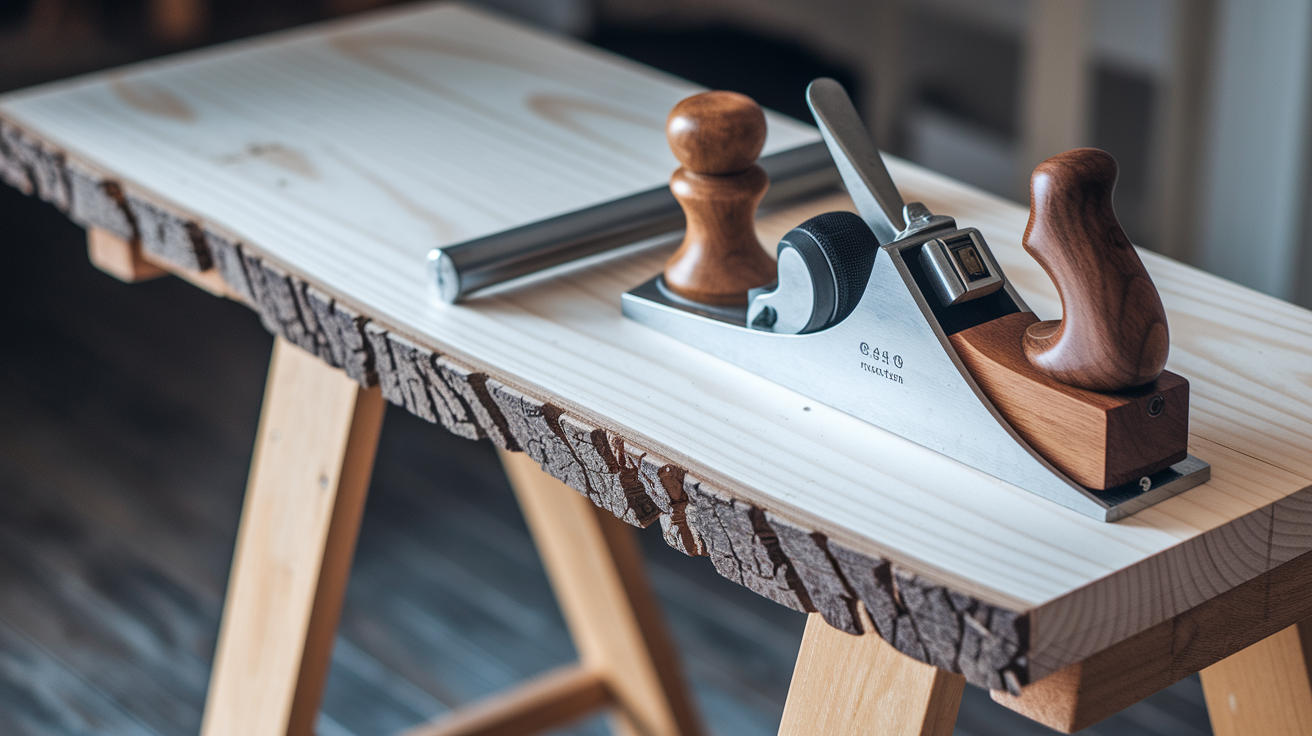
Think trimming a swollen exterior door is the fastest fix?
It often isn’t.
Cut too much and a door that shrinks when the air dries leaves a draft you can’t put back.
This guide shows how to confirm swelling, fix simple hardware issues first, and trim in small, measured passes so you only remove what you must.
You’ll learn to mark the rub, plane or sand safely, rehang and test repeatedly, and seal every exposed edge right away so the problem doesn’t come back.
Immediate Eight-Step Repair Overview
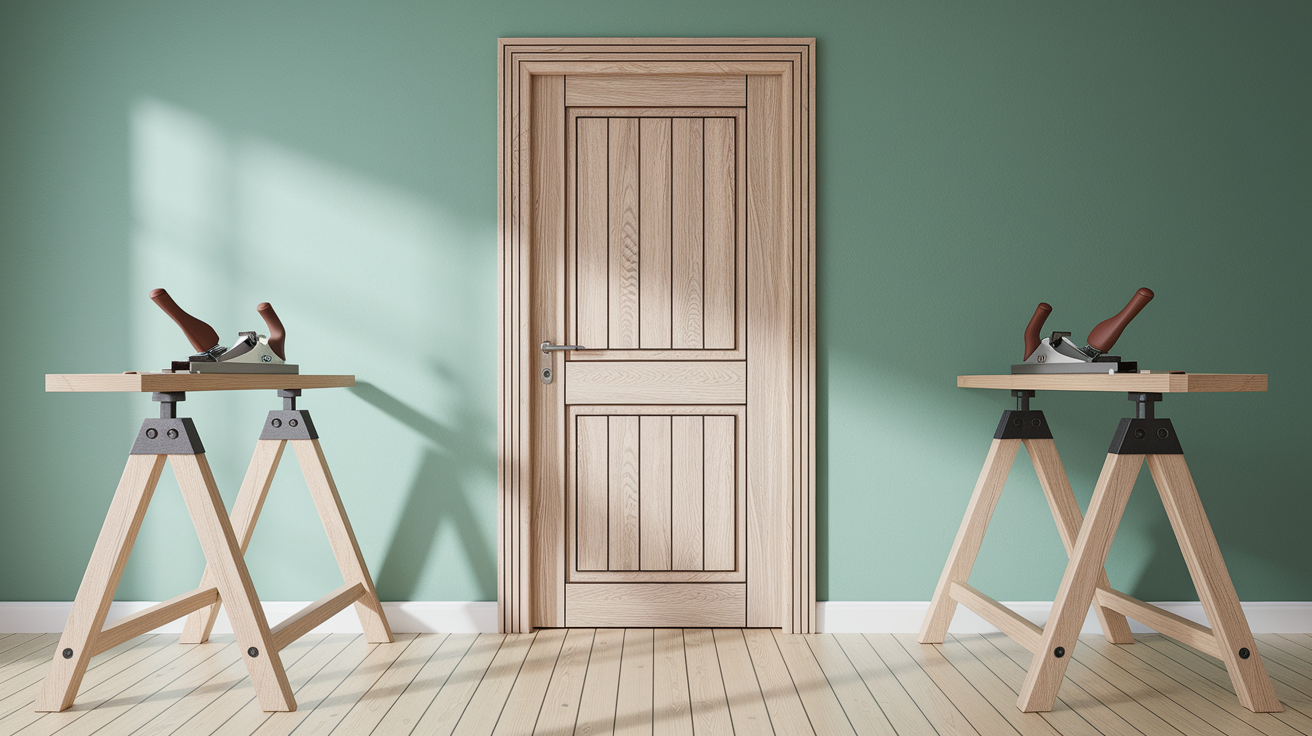
A swollen wooden door can usually be sanded or planed back into shape, but only once you’ve confirmed exactly where it’s rubbing. Guessing at the fix wastes wood and your time. And here’s the catch: a door swollen from humidity may shrink back on its own once the weather dries out, so removing too much material now can leave you with a drafty gap later. Trim in small amounts and test often.
- Assess the moisture conditions and confirm the door slab is actually the source of the problem.
- Close the door slowly and mark the repeatable rubbing point with a pencil.
- Tighten the hinges and correct simple hardware issues before removing any wood.
- Remove and support the door securely if the marked area can’t be treated in place.
- Sand a slight rub or hand plane the marked edge using the detailed manual trimming procedure.
- Use a suitable power tool only when a larger measured correction is necessary.
- Rehang and test the fit repeatedly, stopping as soon as the door moves freely.
- Seal and refinish every exposed area immediately after the final fit is confirmed.
Essentials to have on hand: a pencil, a screwdriver, a hand plane or sandpaper, padded sawhorses, clamps, eye and dust protection, and an exterior grade finish for afterward.
One rule matters more than any other here: never leave freshly exposed wood unsealed, even overnight.
Why Exterior Doors Swell and Where They Begin Sticking
(((alt-img2)))
Wood swells because it drinks in moisture, and it drinks in moisture wherever the finish lets it. Unfinished end grain, cracked or peeling paint, and unsealed top or bottom edges act like open straws. The top and bottom are the most commonly missed spots during painting, which is exactly why they’re often where trouble starts. Once water gets into the wood fibers, they expand, and the door grows just enough to rub against the frame.
It helps to know the difference between swelling and something more permanent. If your door only sticks during rainy months or a humid stretch of summer, that’s classic seasonal swelling. If it drags all year long, winter included, the wood probably isn’t the culprit anymore. That points toward loose or sagging hinges, a warped jamb, a frame that’s shifted slightly, or a threshold that’s no longer sitting level.
Material matters too. Solid wood and engineered wood doors absorb moisture and expand. Metal and PVC doors don’t swell from humidity at all, though they can still stick from thermal expansion (metal growing slightly in heat) or simple alignment problems. Fiberglass doors sit somewhere in between. The skin itself resists water, but internal components, construction quality, or alignment issues can still cause a fiberglass door to bind. So don’t assume moisture is the cause just because it’s humid outside.
| Symptom | Likely Cause | What to Check Before Trimming |
|---|---|---|
| Even rubbing along the latch edge | General slab swelling | Inspect the reveal (the gap between door and frame) along the whole edge for consistent tightness |
| Rubbing at one upper corner | Sagging or loose hinge | Use a level on the hinge jamb to check for plumb before assuming it’s swelling |
| Dragging along the threshold | Threshold or sweep issue, not slab swelling | Check sweep compression and threshold level |
| Resistance at the latch only | Strike plate misalignment | Compare latch position to strike plate opening |
| Sticking continues in dry weather | Frame movement or hardware fault | Compare diagonal measurements corner to corner for a square opening |
Before you touch sandpaper to wood, look closely at the compression on the weatherstripping too. Folded or crushed weatherstripping can mimic a swollen door perfectly, and it costs nothing to fix compared to trimming.
Fixing a Swollen Exterior Door Without Trimming First
(((alt-img3)))
Here’s the thing: once you plane or sand a door down, that wood is gone for good. If the real problem was a loose hinge or a few weeks of unusually wet weather, you might be trimming a door that would’ve fit fine on its own in a month. So work through adjustment and drying first, and save trimming for when it’s truly necessary.
Tighten and Correct the Hinges
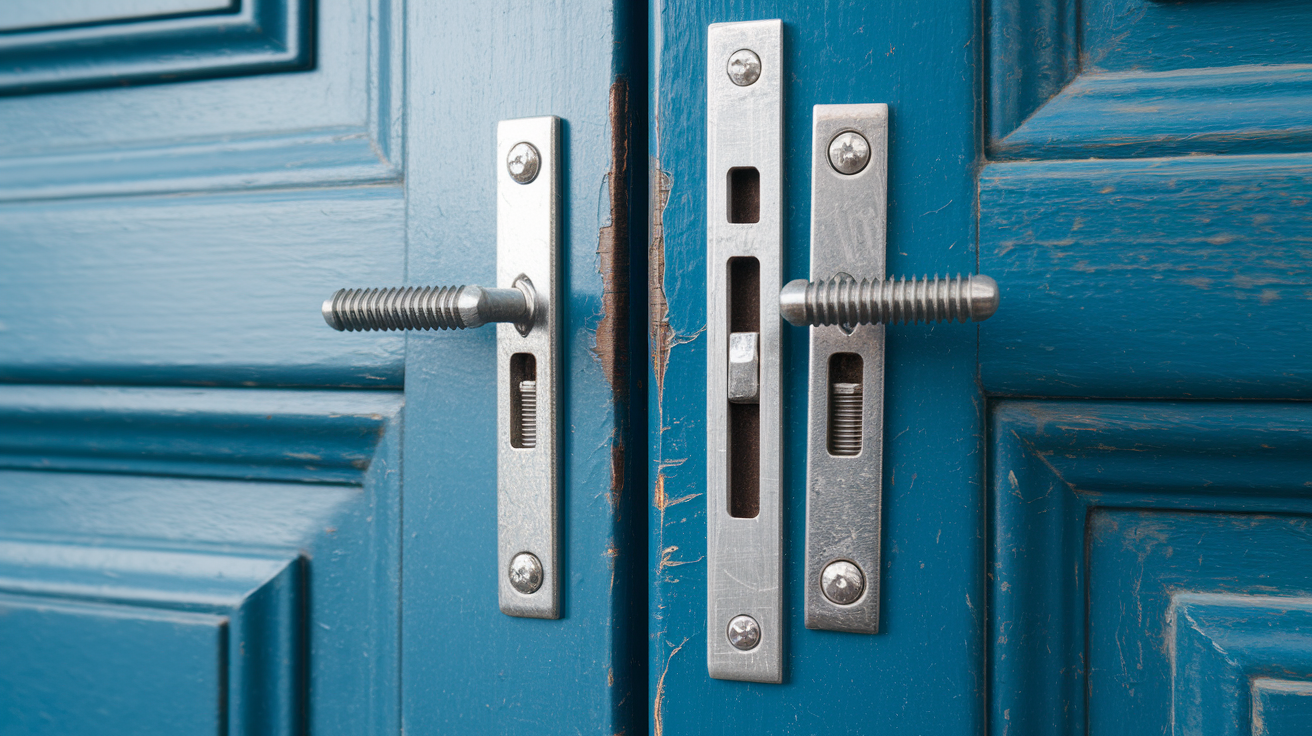
Start with a screwdriver and snug up every hinge screw. If a screw spins freely without tightening, the hole’s worn out, swap it for a slightly longer or thicker screw that can bite into fresh wood. A hinge leaf sitting proud (sticking out from its mortise) can also push the door off alignment, so reseat it flush. If your earlier inspection showed the hinge jamb was out of plumb, a thin cardboard shim behind the hinge can correct minor lean without touching the door itself.
Realign the Latch and Strike Plate
If the latch itself is catching rather than the door edge rubbing, loosen the strike plate screws, shift the plate slightly in the direction needed, and retighten. Sometimes the opening in the plate needs a small file adjustment to let the latch slide in cleanly. Resist the urge to trim the door slab for a latch problem alone. That’s a hardware fix, not a wood one.
Dry the Door and Lower the Humidity
A rotating fan aimed at the door, better room ventilation, or a dehumidifier running nearby can pull moisture out of the wood over several days. If you want to speed things along with heat, keep any heat source moving and about 30 cm (roughly a foot) from the surface. Never let a heat gun or hair dryer
Final Words
Confirm the exact rubbing spot, try hinge and strike adjustments, and let the door dry before you remove any wood.
If you do shave or plane, take tiny passes, test fit often, and seal every exposed edge right away; save power tools for measured corrections and check the manufacturer’s trim limits.
Follow this step-by-step approach for how to trim a swollen exterior door after humidity and you’ll end up with a smooth, well-sealed door that holds up through the seasons.
FAQ
Q: How to fix a door that sticks due to humidity? / What to do if the door is too sticky?
A: A door that sticks from humidity is fixed by confirming the repeat rubbing point, tightening hinges and realigning the strike, drying or dehumidifying, lubricating, and only then shaving or sanding small amounts—testing and sealing immediately.
Q: Does wood expand in the rainy season?
A: Wood does expand in the rainy season because it absorbs moisture, swelling at unsealed ends and thin edges; the change is often seasonal and will usually reverse once the wood dries and finishes are intact.
Q: Why does my front door expand in heat?
A: A front door can expand in heat because thermal expansion and seasonal moisture shifts change door and frame sizes; heated sun, trapped moisture, or weak hinges can magnify binding and make it feel larger.
More from Politics
 Featured
How to Reset a GFCI Outlet Safely at Home
 DIY Repairs
How to Replace a Leaky Bathroom Faucet Cartridge Easily
 Home Maintenance
How to Adjust Door Hinges to Fix a Sagging Door
 Tools Materials